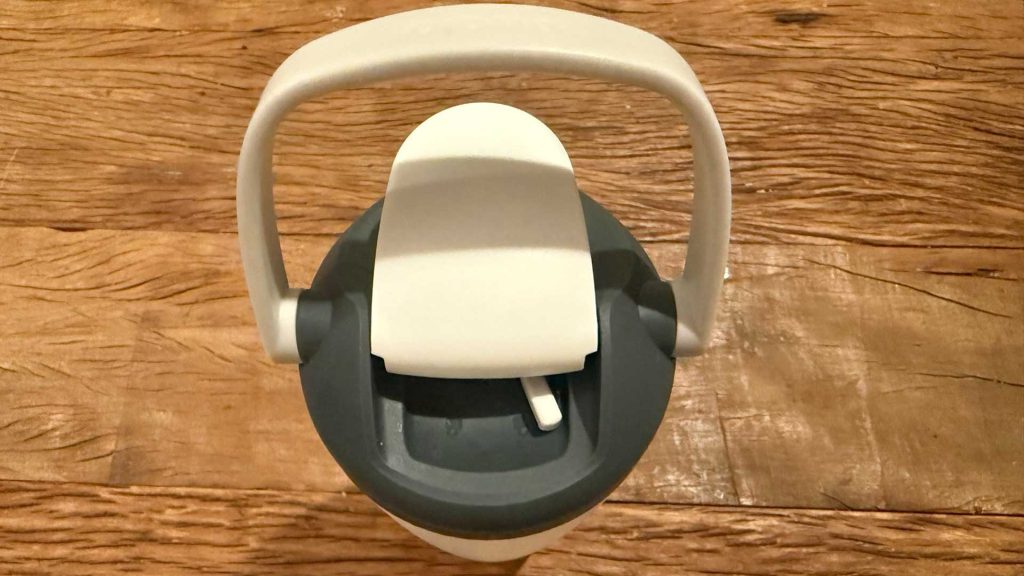
Quick Verdict In short: The Owala FreeSip Sway review highlights its strong design, comfy grip, locking lid, and dual drinking options. It’s a top pick for active people.
What is the Owala FreeSip Sway?
The Owala FreeSip Sway review introduces a smart water bottle made for gym lovers and travelers. Owala is known for clever bottle designs, and this model offers comfort, ease of use, and great insulation.
Key Features of the Owala FreeSip Sway
1. Gym-Friendly Design
This bottle looks great without being too flashy. It’s built for anyone who wants a simple, stylish gym bottle that just works. Moreover, it complements both workout gear and everyday outfits.
2. Large Handle for Easy Grip
The big handle makes it easy to carry, even when the bottle is full. It’s better for your hand too, since it spreads the weight more evenly. As a result, it’s more comfortable to hold over time.
3. Secure Locking Lid
You won’t have to worry about spills. The lid locks tight, so you can toss it in a bag or clip it to your backpack with no leaks. In fact, it stays sealed even when it’s knocked around.
#image_title
4. Tesla-Friendly Cup Holder Fit
The bottom is slim, so it fits in Tesla cup holders. That’s a big win if your other bottles slide around or don’t fit at all. Therefore, it’s a better choice for Tesla drivers.
5. Versatile Drinking Options
It has both a straw and a pour spout. You get to choose how you drink. Plus, your water stays cold or hot for a long time. Consequently, it works well in both summer and winter.
Performance & Testing of the Owala FreeSip Sway
Here’s how it did in our tests:
It kept water cold for more than 24 hours.
The locking lid worked great. No leaks, even when shaken around.
The handle was easy to hold all day long.
Compared to other bottles, it held up well. It was easy to use and felt solid. Furthermore, it handled rough treatment without showing signs of wear.
The Owala FreeSip Sway review shows it’s just as good at keeping drinks cold. But it also has a better handle and more ways to drink. That makes it more useful for lots of people. Additionally, the locking lid adds peace of mind.
To sum it up, this Owala FreeSip Sway review shows why it’s such a smart buy. It’s strong, easy to carry, and keeps your drinks the way you like them. For anyone on the move, it’s a solid choice. After all, convenience and reliability are key when choosing the right water bottle.
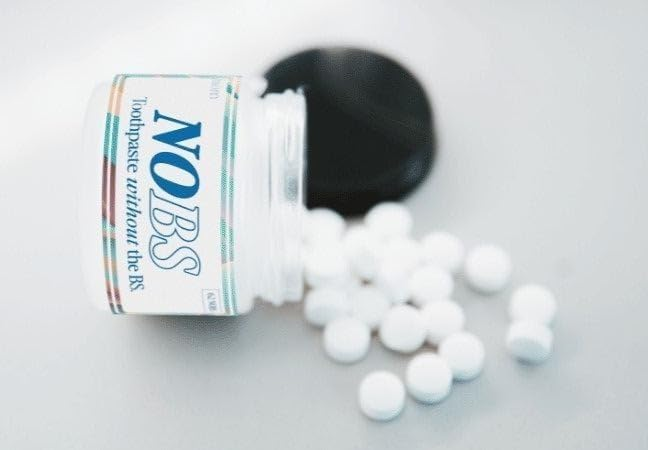
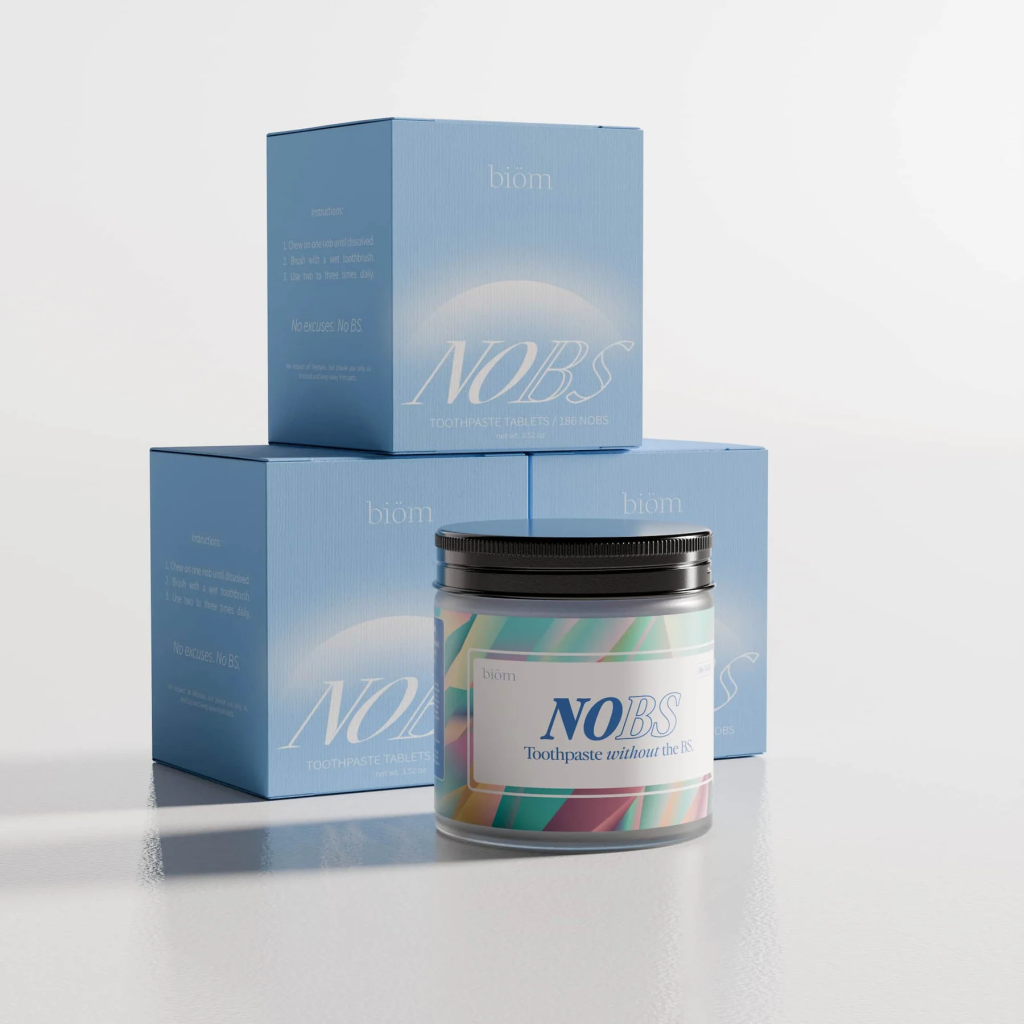
Looking for a fluoride free hydroxyapatite toothpaste that can protect your smile without controversial additives? BIOM’s NOBS chew-able tabs promise NASA-inspired remineralization, travel convenience, and an ultra-clean ingredient list. Let’s see how they stack up against traditional pastes.
Why Switch to Fluoride Free Hydroxyapatite Toothpaste? Hidden Fluoride Risks
Fluoride has undeniably curbed cavities, yet recent human studies raise caution:
Neurodevelopmental concerns. A 2012 systematic review linked high childhood fluoride exposure to reduced IQ scores. ehp.niehs.nih.gov
Prenatal exposure questions. Meta-analyses in Mexico and Canada found that higher maternal fluoride correlated with lower cognitive scores in offspring aged 4–12. jamanetwork.com/ pubmed.ncbi.nlm.nih.gov
Skeletal fluorosis potential. Long-term ingestion of above-optimal fluoride can lead to brittle bones and joint pain. frontiersin.org
For parents, pregnant users, or wellness enthusiasts, a daily dose of fluoride suddenly feels less reassuring—especially when effective alternatives exist.
How Fluoride Free Hydroxyapatite Toothpaste Rebuilds Teeth with Nano-HAp
Hydroxyapatite is the same calcium-phosphate mineral that makes up 97 % of your enamel. In nano form it can fill microscopic defects and halt early decay:
A 2023 comprehensive review concluded nano-HAp matches fluoride in cavity prevention while being kinder to the oral microbiome. pmc.ncbi.nlm.nih.gov
Randomized in-situ trials show 5 % nano-HAp remineralizes early enamel lesions within two weeks. pubmed.ncbi.nlm.nih.gov
Adult clinical data found hydroxyapatite toothpaste “not statistically inferior” to fluoride paste for caries control. frontiersin.org
NOBS tablets hit that gold-standard 5 % nano-HAp concentration, delivering proven remineralization every time you chew and brush.
Tablet Format: The Convenient Side of Fluoride Free Hydroxyapatite Toothpaste
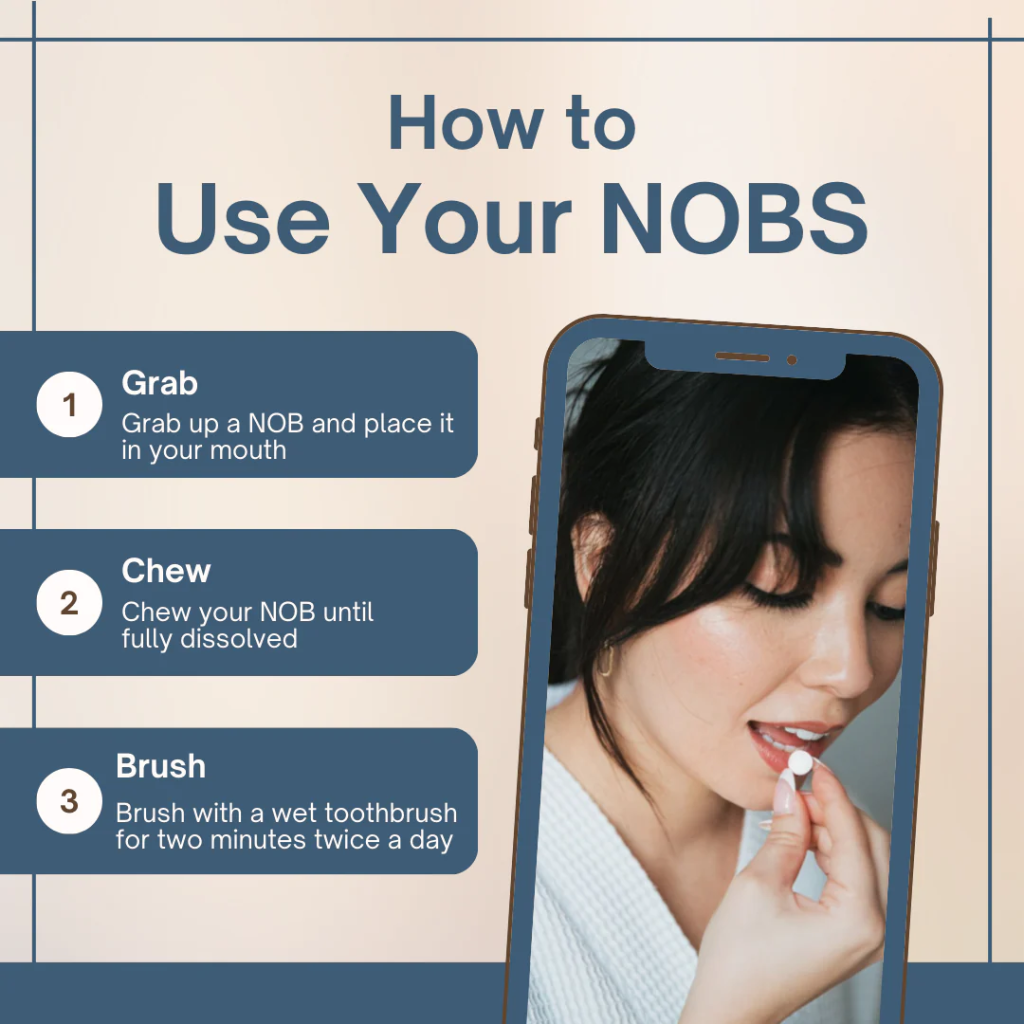
Chew, sip, brush—done. Tablets eliminate TSA liquid limits, end the curse of exploded tubes in luggage, and provide a perfectly dosed portion in an elegant glass jar. For campers, digital nomads, or kids who over-squeeze paste, the simplicity is game-changing.
Coconut-derived surfactant foams without endocrine-disrupting SLS.
Organic peppermint & menthol leave fresh but not saccharine breath.
No plastics, no BPAs, no hidden microbeads—just a minimalist, eco-friendly approach to oral care.
Pros
Science-backed remineralization. The 5 % nano-HAp dose mirrors clinical studies that rebuild early enamel damage as effectively as fluoride, but without systemic toxicity worries.
Total ingredient transparency. Every component is listed in plain English, making NOBS a confidence booster for label-readers and pregnant users alike.
Mess-free, travel-ready design. Pre-portioned tablets sidestep TSA limits and prevent paste explosions, while reusable glass jars cut plastic waste.
Kid- and pregnancy-safe. With no fluoride or harsh detergents, accidental swallowing is a non-issue—just wait until little ones can chew confidently.
Eco-minded packaging. Plastic-free jars and metal lids align with zero-waste routines and keep endocrine disruptors out of your bathroom.
Cons
New ritual to master. The chew-then-brush sequence feels odd for the first few days, and you may experiment with water sips to get the perfect foam.
Gentle suds, not a foam bomb. Coconut surfactants create a mild lather; some users equate abundant foam with “clean,” even though plaque removal is on par.
Premium price. High-grade nano-HAp and glass packaging raise the sticker cost, though reduced waste and oral-care benefits justify the spend for many.
2. Is nano-hydroxyapatite safe if swallowed? Yes. nHAp is biocompatible and even used in bone grafts. Studies show no systemic risk from incidental ingestion during brushing.
3. Can tablets whiten teeth? Low-abrasivity baking soda lifts surface stains gradually. For deeper whitening, pair tabs with dietary tweaks or professional treatments.
4. How long does one jar last? A 124-tablet jar covers roughly two months of twice-daily brushing. Keep the lid sealed to protect tablets from moisture.
For anyone seeking cavity defense minus fluoride’s debated downsides, NOBS fluoride free hydroxyapatite toothpaste tablets are a compelling choice. They merge NASA-derived remineralization science, minimalist clean ingredients, and travel-proof convenience. Compared with SLS-laden, plastic-tubed pastes, NOBS offers a greener, safer, and smarter path to everyday oral health.
If you enjoyed this article, be sure to explore the rest of our Health section for more evidence-based wellness guides and in-depth product reviews: https://wellreviewed.co/category/health/. Fresh insights on smarter living await you there!
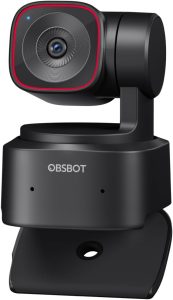
The OBSBOT Webcam Tiny 2 Lite 4K promises studio-level detail, smooth AI tracking, and setup that takes less time than brewing coffee. You’ve likely seen YouTube reviewers praising its clarity—yet reproducing those results at home can be another story. Below is an honest look at where this smart cam excels and where there’s still room to grow.
Large 1/2″ CMOS sensor with an f/1.8 lens that gathers more light than typical laptop cameras, helping maintain crisp detail and truer colors even in average room lighting.
4K recording at 30 fps and 1080p at 60 fps so you can choose between maximum resolution for static presentations or higher frame rate for motion-heavy demos.
Motorized pan-tilt gimbal with AI Auto-Tracking and Auto-Zoom that follows your face or body as you move, keeping you perfectly framed without manual adjustments.
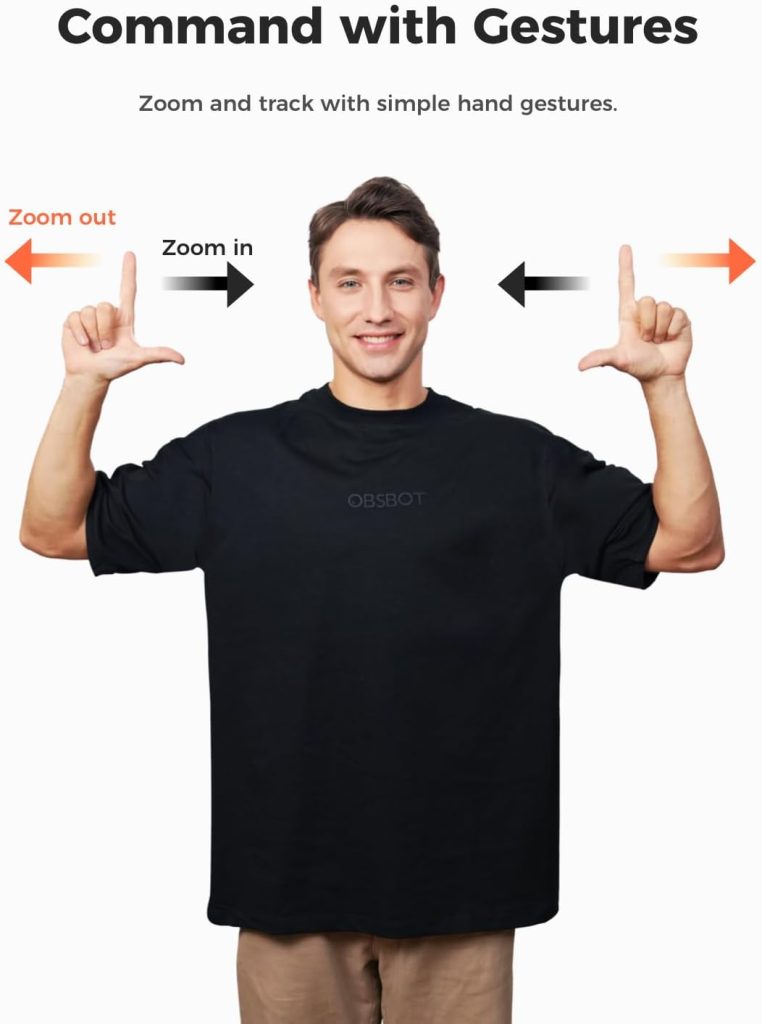
Gesture Control 2.0 lets you start or stop tracking, zoom in, or switch framing modes simply by raising a hand—handy when you’re mid-presentation and can’t fumble for mouse controls.
Dual noise-canceling microphones designed to filter out HVAC hum, keyboard chatter, and distant conversations so your voice stays front and center.
79.4-degree field of view that’s wide enough to show props or a whiteboard yet tight enough to avoid showcasing every corner of a cluttered room.
Initial setup is true plug-and-play: USB-C in, software installed, and Zoom immediately detects the camera. On calls, coworkers commented on the sharpness before I even mentioned the upgrade. The AI follow feels almost cinematic—stand to stretch or grab a coffee, and the frame glides with you. The built-in beauty filter is another highlight, slimming and smoothing just enough to hide a late night without tipping into uncanny “plastic skin.”
Who Will Benefit Most
Remote professionals who need polished video without investing in a mirrorless camera and capture card.
Educators and fitness instructors who move while teaching or demoing and can’t always remain centered.
Streamers and content creators wanting a desk-friendly 4K shot plus hands-free framing.
Can Improvements Be Made?
Matching the pristine footage from influencer reviews required brighter lighting and some software tweaking. While low-light performance is better than most webcams, a larger sensor—as found in the flagship Tiny 2—would narrow the gap to entry-level mirrorless cameras.
Pros
AI tracking that feels professional The motorized gimbal predicts your motion smoothly, so the video looks like it’s shot by a real camera operator rather than a fixed lens juggling digital crops. This makes presentations, product demos, and casual walk-and-talks far more engaging.
Sharp, color-accurate 4K video Thanks to its larger sensor and fast lens, fine textures on clothes and facial features stay detailed. Colors lean natural rather than oversaturated, which saves time in post-processing for content creators.
Subtle yet effective beauty mode Instead of the heavy blur found in many webcam apps, OBSBOT’s filter trims jawlines slightly and evens skin tone. The effect hides fatigue without making you look airbrushed—great for back-to-back meetings or live streams.
Dual microphones with solid noise suppression The built-in mics pick up voice clearly and reduce HVAC hum or keyboard clacks. For many remote workers, that eliminates the need for a separate USB mic in casual meetings.
Gesture shortcuts streamline control Need to zoom in on a prop or switch the frame quickly? A simple hand gesture does the trick, letting you keep eye contact with your audience instead of hunting for on-screen buttons.
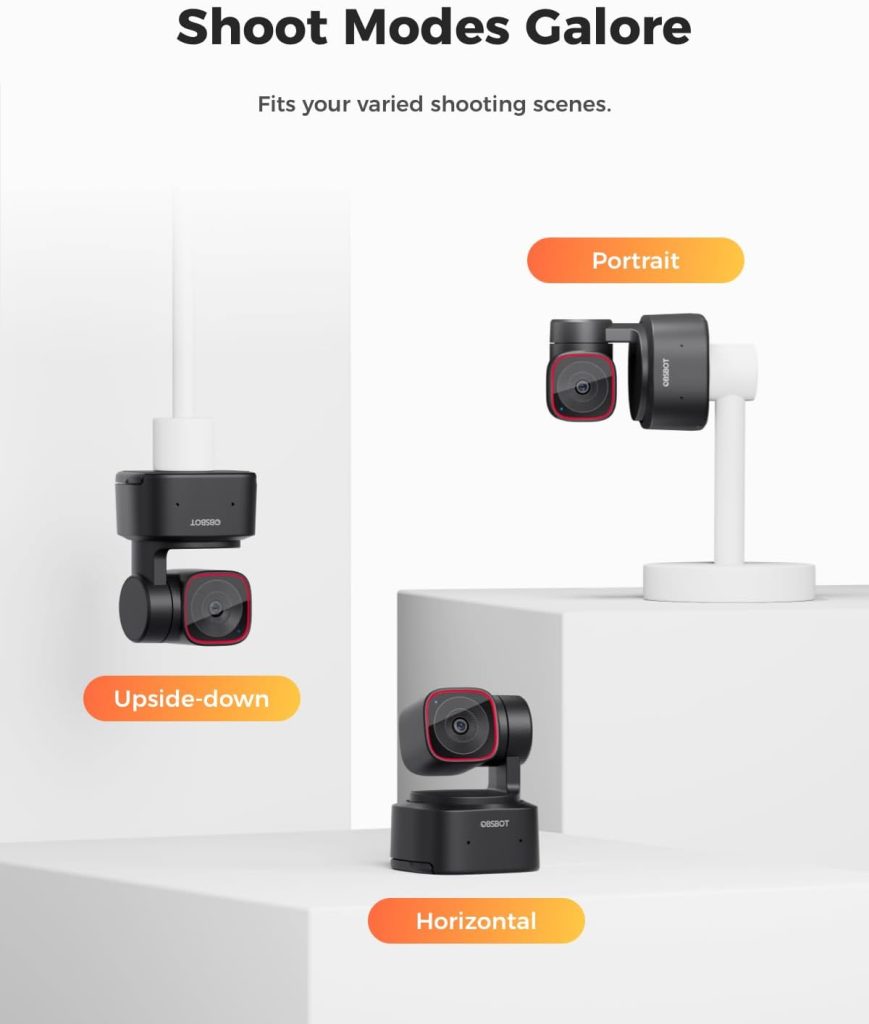
Thoughtful hardware touches A sturdy magnetic mount, a travel-friendly carrying pouch, a USB-C to USB-A adapter, and a built-in ¼″ tripod thread offer flexibility whether you clamp it to a laptop, attach it to a boom arm, or mount it on a light stand.
Cons
4K frame rate capped at 30 fps While 30 fps is fine for most business calls and webinars, gamers or fast-motion demonstrators may miss the extra smoothness of 60 fps at full resolution. Stepping down to 1080p is the only path to higher frame rates.
Best results demand good lighting Out of the box, image quality is solid, but achieving the cinematic look seen in polished reviews still requires a ring light or softbox. In dim rooms, noise creeps in and detail softens.
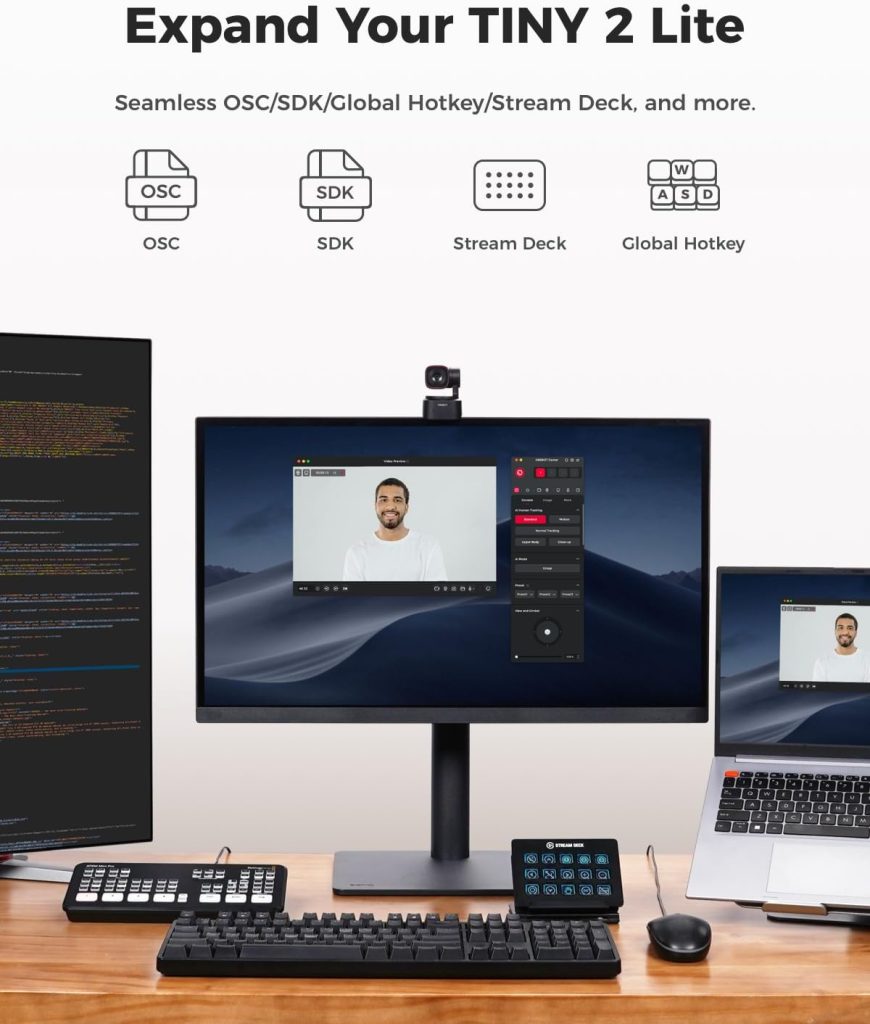
Tuning curve for perfectionists The OBSBOT Center software unlocks powerful controls—white balance, exposure, HDR—but beginners may need a few trial-and-error sessions (or a YouTube deep dive) to dial in ideal settings for their environment.
1. Does Tiny 2 Lite work on macOS and Windows? Yes. OBSBOT Center is available for Windows 10 and newer, plus macOS 11 (Big Sur) and above. Installation takes just a few minutes, and firmware updates can be applied directly within the software.
2. How stable is the AI tracking during long meetings? In testing, the gimbal maintained lock for two-hour Zoom calls without drift. If tracking does lose you—say, after someone else enters the frame—a quick “L-shape” hand gesture reacquires your face in seconds.
3. Can I stream at 60 fps? The webcam supports 60 fps only in 1080p mode. For platforms like Twitch or YouTube where smoothness matters more than resolution, this compromise still delivers a polished broadcast, and most conferencing apps downscale to 1080p anyway.
4. Is tripod or boom-arm mounting possible? Absolutely. Unscrew the rubber pad on the bottom, and you’ll find a standard ¼-inch thread. That means you can mount Tiny 2 Lite on desktop tripods, light stands, or articulated arms—ideal for overhead unboxing shots or multi-cam setups.
If you’re hunting for an AI-powered OBSBOT Webcam that nails hands-free framing and crisp 4K, Tiny 2 Lite is the standout in its class. Compared with rivals like Logitech Brio 4K and Insta360 Link, it matches their smarts while adding a physical gimbal for buttery-smooth pans. Factor in the surprisingly tasteful beauty mode and easy setup, and Tiny 2 Lite edges ahead for creators who move and multitask.
If you found this review helpful and want more deep-dive looks at the latest, most exciting tech products, head over to our Tech section for fresh reviews and buying guides: https://wellreviewed.co/category/tech/
Elon Musk’s new Tesla Drive-In, currently under construction along the Historic Route 66 stretch of Santa Monica Blvd in Hollywood, California, is set to revolutionize the way we experience both dining and Supercharging our Teslas (and other EVs). As a proud owner of a Tesla Model Y, I couldn’t be more thrilled about this innovative fusion of a retro-style diner and a state-of-the-art EV charging center. This project perfectly blends nostalgic charm with cutting-edge technology, creating an experience that’s both visually stunning and highly functional. Plus it looks like something out of The Jetsons!
Elon Musk’s new Tesla Diner & Drive-In | Render courtesy of HowardModels.com
A Tesla Drive-In Like No Other
The Tesla Drive-In isn’t just your average EV charging station. Oh no, it’s so much more. Imagine a 1950s-style diner with a modern twist, complete with rooftop seating and ground-level counter-style booths. Designed by the talented team at Stantec, this two-story marvel seamlessly combines nostalgia with cutting-edge technology. Whether you’re grabbing a bite with friends or enjoying a solo movie under the stars, this Tesla Drive-In offers an experience that’s both luxurious and utterly unique.
Hours of Operation: Supposedly, the charging facilities and diner will be open 24-hours.
Amenities: Two-Story 50s Style Diner with Indoor & Outdoor Seating, Carhop-Style waitstaff (they come to your car window while you charge to take your order), Drive-In Movie Theater with 2x 45ft LED screens playing short clips from popular films.
Seating for up to 75 guests outdoors, and 200+ in total.
This new Tesla offering is allegedly a prototype for what could become a the new wave of high-end feature heavy charging stations. Hopefully this thing is a money maker, and the build them all over the country!
Exciting Career Opportunities at the Tesla Drive-In
In line with Tesla’s commitment to delivering an exceptional customer experience, according to notateslaapp.com, the company has recently launched job postings for a “Diner Experience Specialist.”
The Diner Experience Specialist position offers a competitive salary range of $83,600 to $285,000 USD.
Photo courtesy of JoshWest247 | YouTube
Estimated Date of Completion
As of October 2024, the project has seen significant progress, including the installation of Supercharger posts and continued work on both interior and exterior elements. While Tesla has not announced a specific opening date, estimates suggest that the site could be ready within the next few months, aiming for completion before the end of 2024
Looking for more tech-centric content, head on over to our Tech Category page for more electronic stuff!
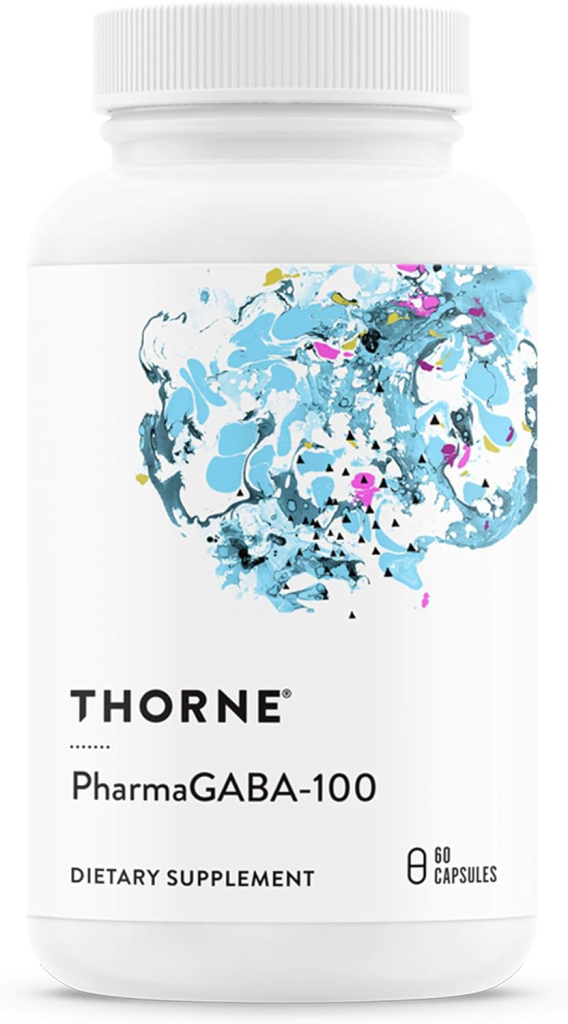
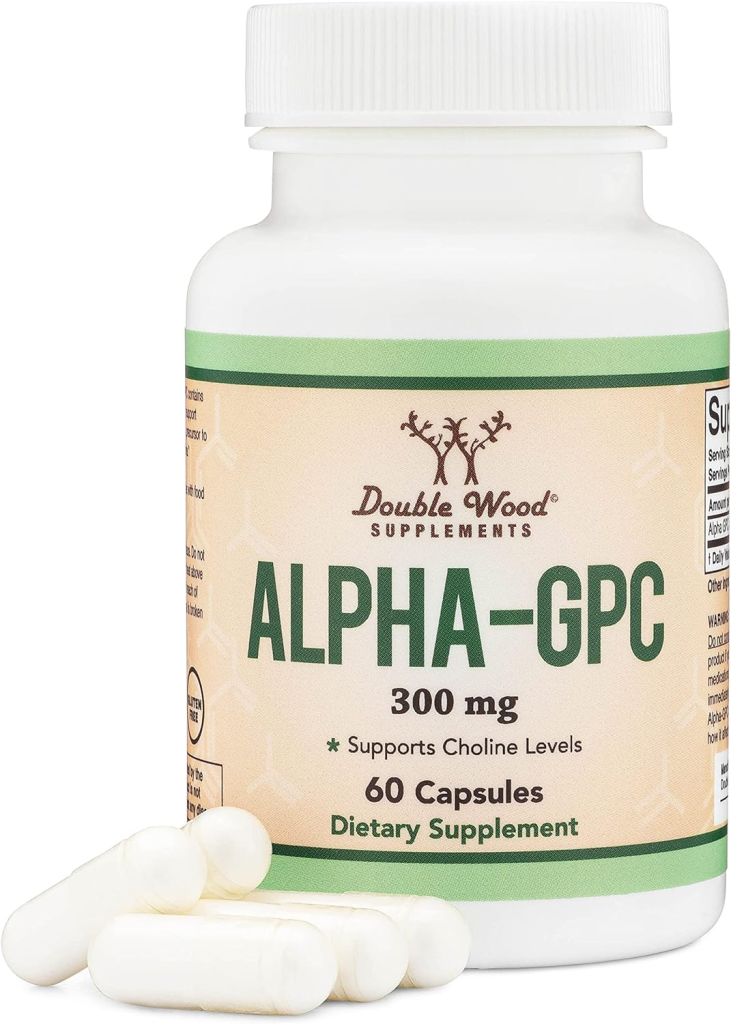
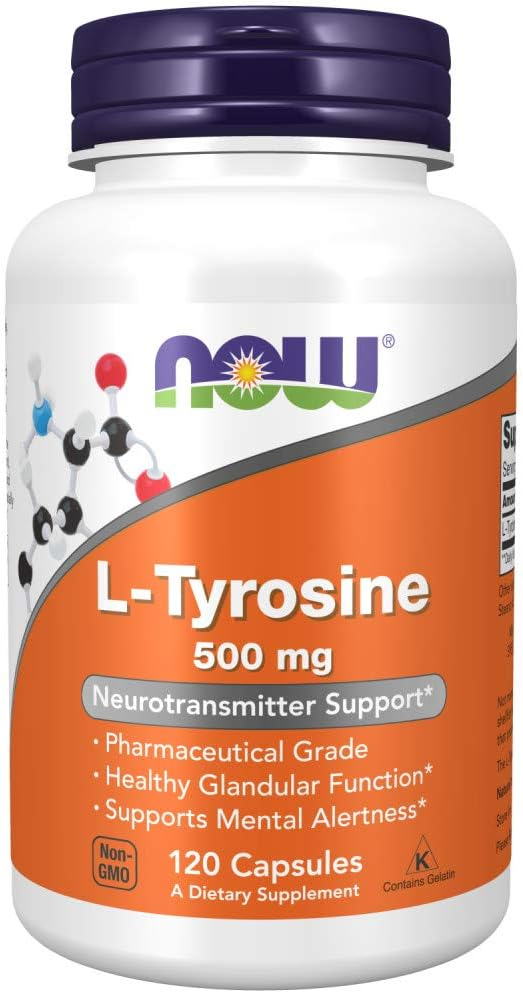
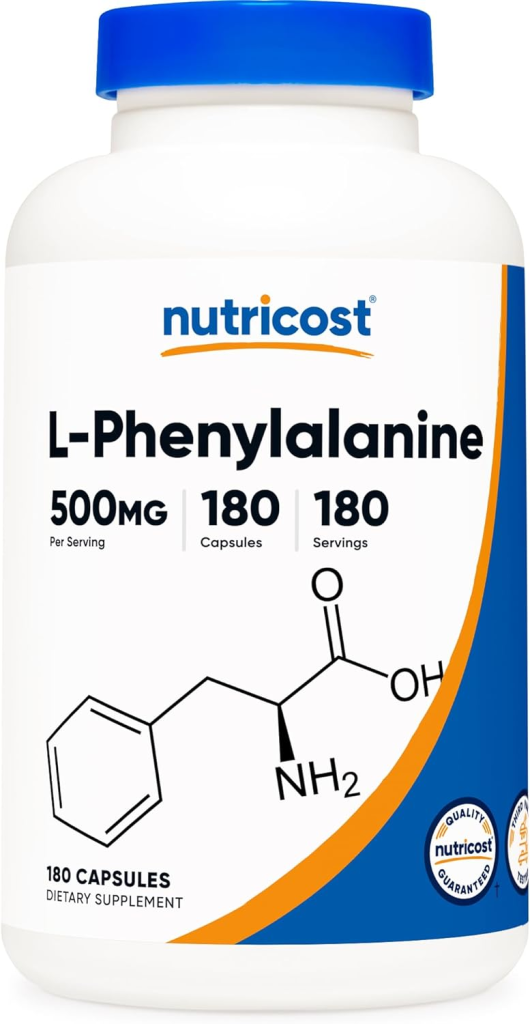
Hey there, fellow huberman fans! If you’ve ever wondered how Dr. Andrew Huberman keeps his brain sharp, his energy levels high, and his sleep on point, you’re in the right place. In this “supplements Huberman takes” guide, we’re diving deep into the stack that powers one of the coolest neurobiologists on the planet. So, grab your favorite green smoothie (skip the AG1), and let’s get into the nitty-gritty of Huberman’s supplement game.
Yes, we know he pushes Momentous Brand for the majority of these items, but we think this is mainly because he has financial stake in the company. Momentous also happens to be very expensive, so we’re providing more budget friendly options in this list. No need to break the bank in order to stay on top of your supplement game!
DISCLAIMER: Just a heads-up: I’m not a doctor, medical professional, or a health guru in a lab coat. I’m simply chronicling the supplements that Dr. Andrew Huberman has mentioned he takes. This article is not a recommendation to start taking any of these products. All information is provided at your own risk. Always consult with a physician before adding any supplements, drugs, or new products to your routine. Keep in mind that many of these supplements are not FDA approved and could be dangerous if taken in the wrong dosages or if you have unknown sensitivities. Stay safe and make informed decisions!
Why These Supplements? They’re affordable and their reviews aren’t fake, according to FakeSpot
Alright, fellow Huberman enthusiasts, here’s the scoop: I didn’t just pull these supplements out of thin air. Nope, I took each one that Dr. Huberman swears by and looked for the most affordable brands that still held up in the review department. I scoured the market to find the best bang for your buck, making sure affordability was on point. But wait, there’s more! To keep things legit, I used Fakespot’s Fake Review plugin to vet each product. Spoiler alert: every single one on this list snagged an A or B rating, meaning their reviews are from real, honest customers—not just some sneaky folks getting paid to rave. So, you can trust that these supplements are both wallet-friendly and genuinely loved by users. Cheers to making informed, savvy choices without breaking the bank!
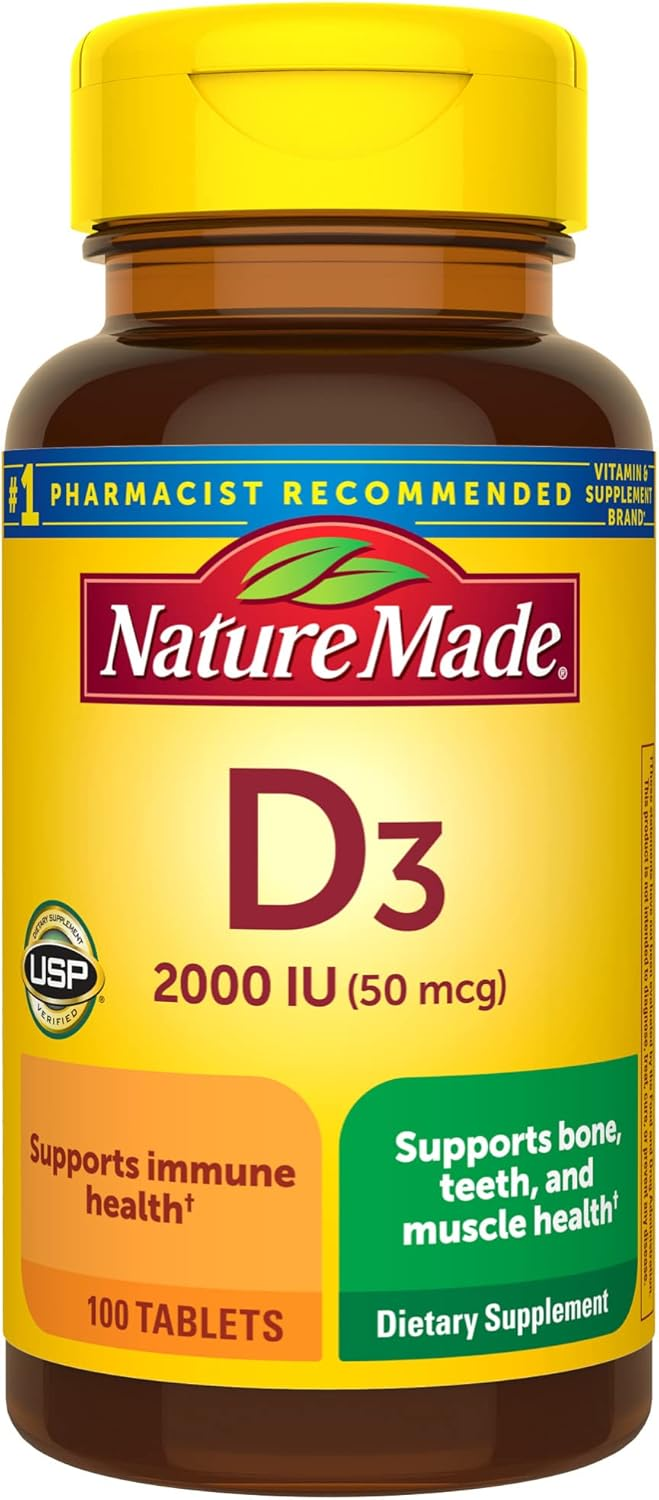
Vitamin D is like that reliable friend who’s always there when you need a boost. Huberman takes between 5,000 to 10,000 IU daily to keep his immune system strong and his mood elevated. Think of it as your daily dose of sunshine, minus the sunburn.
Huberman Dosage: 5,000 to 10,000 IU daily
Pros:
Mood Booster: Helps keep those winter blues at bay.
Immune Support: Keeps your defenses strong against pesky viruses.
Cons:
Overdosage Risk: Too much D can be as bad as too little. Balance is key!
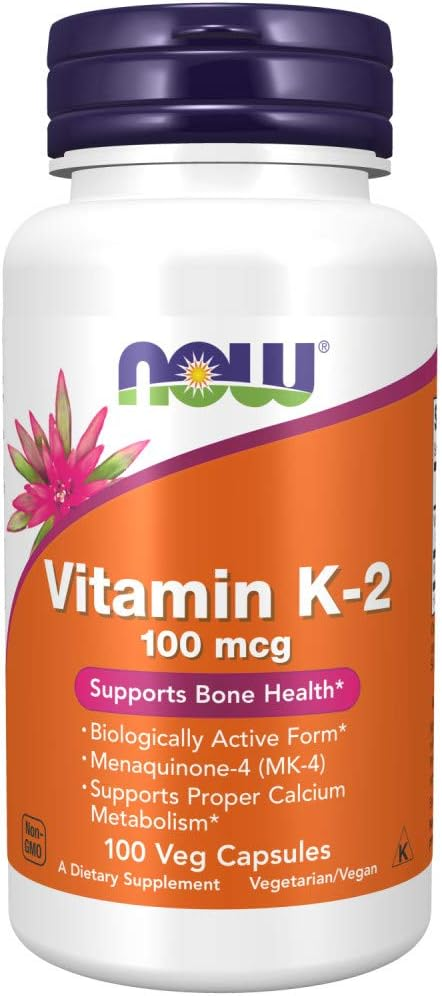
Huberman doesn’t stop at Vitamin D. He adds Vitamin K2 to his regimen to ensure calcium goes where it’s supposed to—into your bones, not your arteries. Because who needs calcium in the wrong places?
Huberman Dosage: 100 to 200 micrograms (mcg) of Vitamin K2 per day
Pros:
Bone Strength: Keeps your bones as strong as your morning coffee.
Cardiovascular Health: Prevents calcium from clogging up your arteries.
Cons:
Supplement Synergy: Needs to be taken with Vitamin D for maximum benefits.
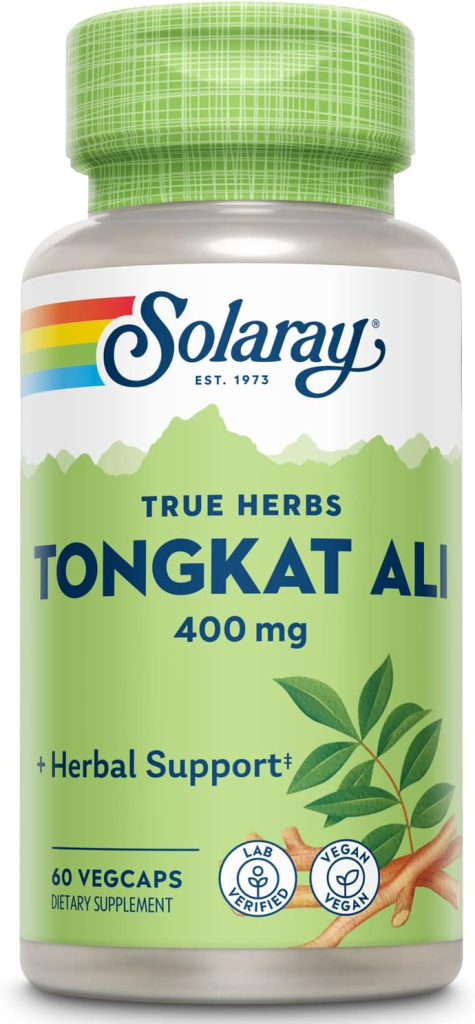
I’d be careful with this one, as when I took it, I experienced some strange emotional symptoms which I will get into later in another post. At 400 mg daily, Tongkat Ali is Huberman’s secret weapon for maintaining healthy testosterone levels. It’s like giving your body a little extra pep in its step.
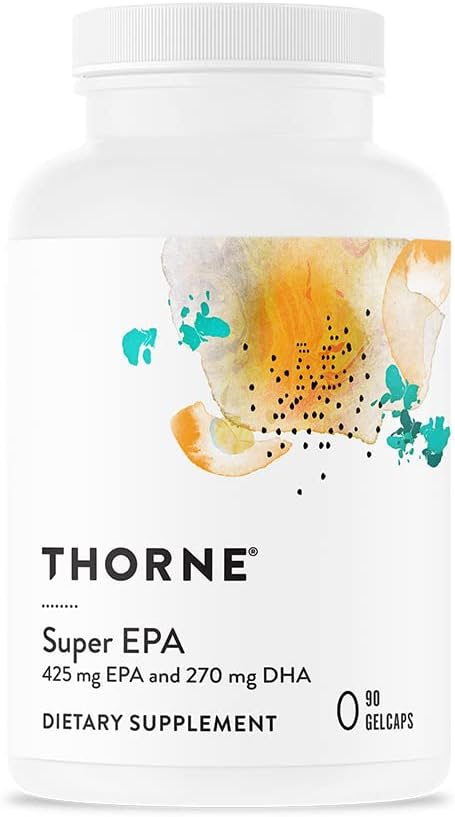
Consuming 2-3 grams of EPA daily, Huberman supports his brain health and cognitive functions.
Huberman Dosage: 2-3 grams of EPA daily although I’d be careful at theses amounts. There has been some emerging studies recently that show rare unfavorable results in those who take too much fish oil.
Pros:
Brain Health: Essential for cognitive function and mental clarity.
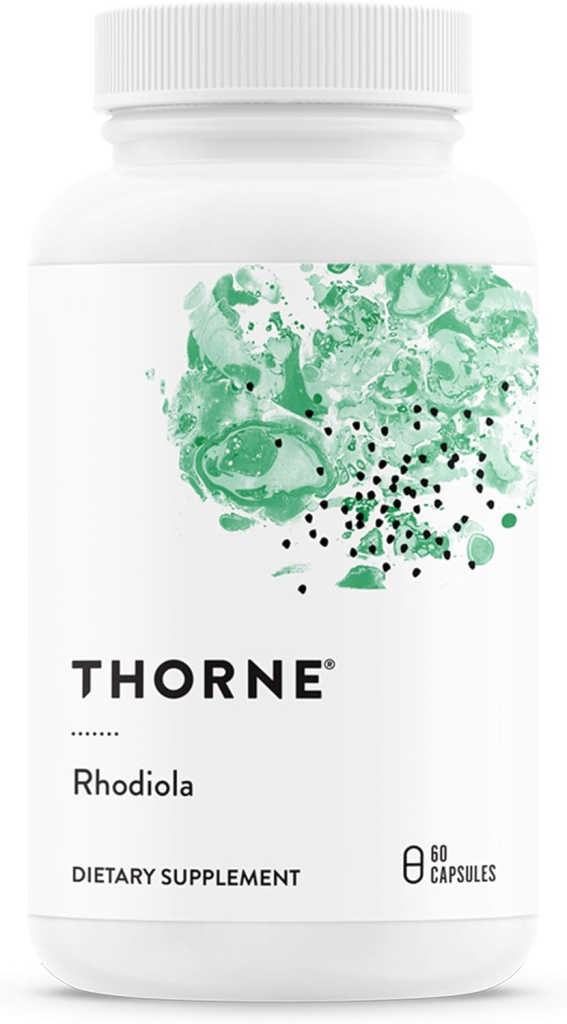
Rhodiola Rosea helps reduce fatigue and increase endurance, making it a staple in Huberman’s regimen.
Huberman Dosage: Not specified.
Pros:
Fatigue Reduction: Lowers perceived fatigue.
Endurance Boost: Enhances physical and mental endurance.
Cons:
Stimulation Effects: Can be mildly stimulating, so timing matters. I’ve personally experienced increased anxiety symptoms when taking Rhodiola.
Ashwagandha: The Stress Slayer (SKIP IT)
Huberman uses Ashwagandha to lower cortisol levels, helping him manage stress effectively. I’m actually going to recommend everyone skip this one as it can have some pretty scary side effects, some of which have been found to stick around even after you discontinue use.
DISCLAIMER: Just a heads-up: I’m not a doctor, medical professional, or a health guru in a lab coat. I’m simply chronicling the supplements that Dr. Andrew Huberman has mentioned he takes. This article is not a recommendation to start taking any of these products. All information is provided at your own risk. Always consult with a physician before adding any supplements, drugs, or new products to your routine. Keep in mind that many of these supplements are not FDA approved and could be dangerous if taken in the wrong dosages or if you have unknown sensitivities. Stay safe and make informed decisions!
Conclusion: Supercharge Your Health with Huberman’s Supplements
There you have it—the supplements Huberman takes to keep his brain sharp, his body energized, and his sleep rejuvenated. While Huberman’s regimen is tailored to his unique physiology and goals, many of these supplements can be beneficial for anyone looking to optimize their health and performance. Remember, before starting any new supplement routine, it’s always best to consult with a healthcare professional to ensure it’s right for you.
Keep the Knowledge Flowing!
Loved uncovering the supplements Huberman swears by? Don’t stop now! Dive into our Huberman & Galpin: Unpacking their Six Part Guest Series article to explore even more insights and fascinating discussions from these incredible minds. It’s like the sequel you didn’t know you needed—packed with wisdom, wit, and a few surprises along the way. Trust me, your brain will thank you!
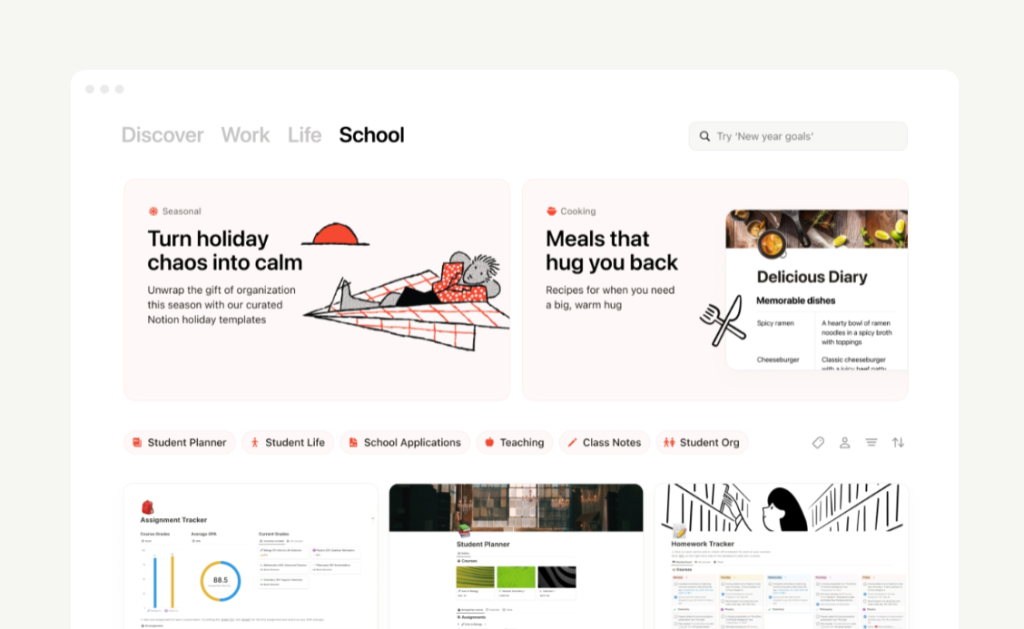
Today at “Make with Notion“, Notion has just rolled out a suite of exciting new features that promise to enhance your productivity and streamline your workflows. In this article, we’ll explore each update, how you can use them in real-world scenarios, and the pros and cons to help you decide which of Notion’s new features are right for you.
1. Forms: Capture Data Seamlessly
#image_title
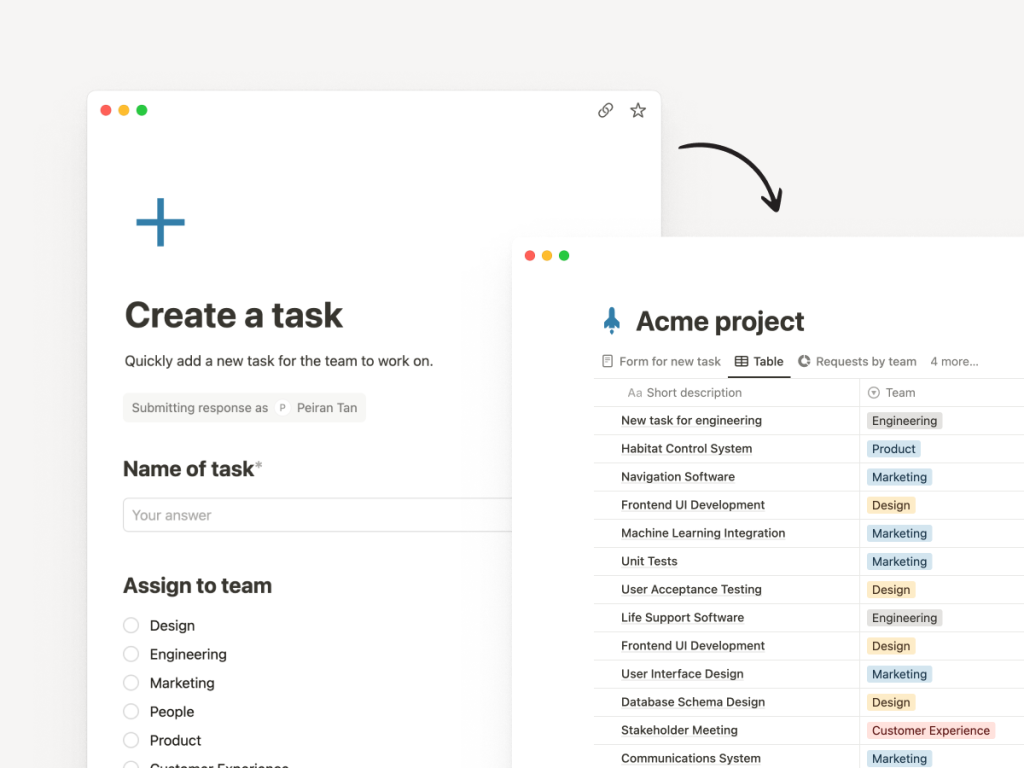
Notion has introduced forms directly within the platform, allowing you to collect requests, feedback, RSVPs, and more without needing external tools.
Real-World Usage:
Imagine you’re organizing a team project. With Notion’s new forms, you can easily gather project requirements from team members, store responses in a database, and convert feedback into actionable tasks—all within Notion.
Pros:
Integrated Workflow: No need to switch between different applications.
Unlimited Forms for Free: Create as many forms as you need without additional costs.
Organized Data: Responses are automatically stored in a Notion database for easy access and visualization.
Cons:
Limited Customization: Compared to dedicated form tools, customization options might be limited.
Learning Curve: Users new to Notion may need time to set up and optimize forms effectively.
2. Automations-Professional: Streamline Your Processes
#image_title
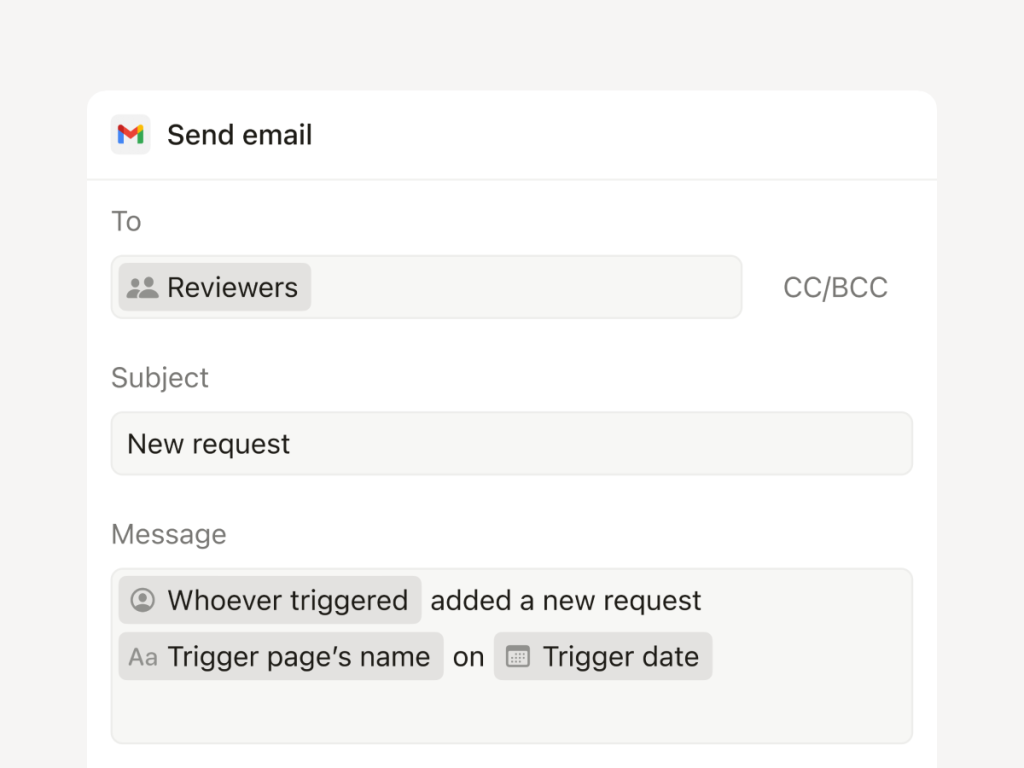
Automations now support sending emails and can trigger actions based on changes in your databases.
Real-World Usage:
For example, when a new form response is submitted, an automated email can notify your team or update a project status in Notion, reducing manual tasks and ensuring timely communication.
Pros:
Enhanced Efficiency: Automate repetitive tasks to save time.
Email Integration: Directly send emails from Notion, improving communication.
Custom Triggers: Create specific triggers based on your workflow needs.
Cons:
Complex Setup: Setting up advanced automations may require a deeper understanding of Notion’s capabilities.
Limited Third-Party Integration: While expanding, integrations with other apps are still in development.
3. Notion Mail (Coming Soon!): Redefining Email
#image_title
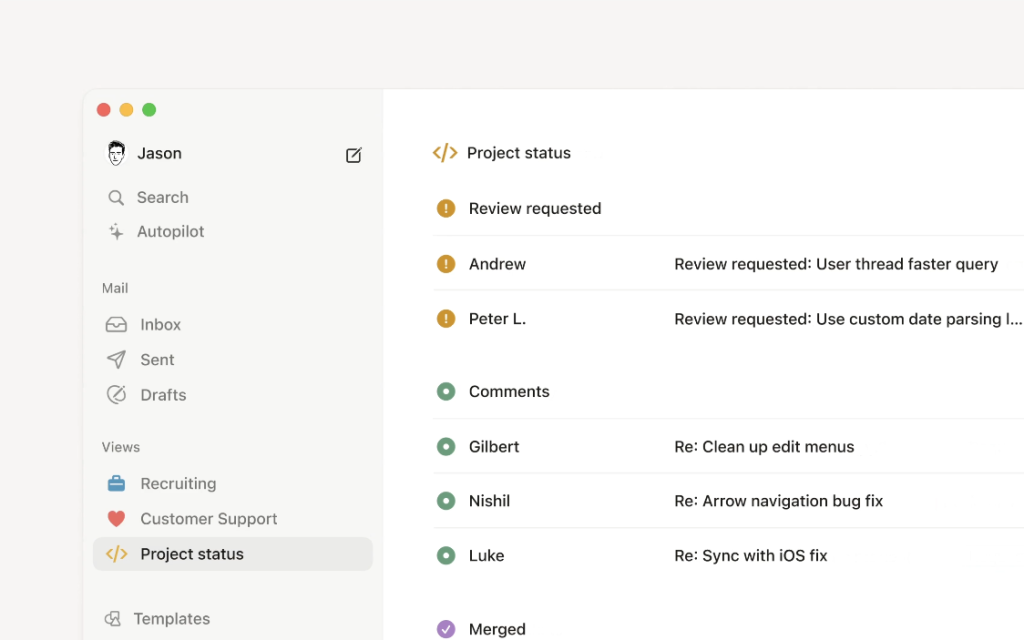
Notion Mail aims to overhaul the traditional email experience with a fast, minimal, and organized approach, tailored to fit seamlessly into your Notion workflows.
Real-World Usage:
Use Notion Mail to manage your correspondence directly within Notion, categorizing emails by project or task, and keeping all related information in one place.
Pros:
Streamlined Communication: Manage emails without leaving Notion.
Customizable Views: Tailor your inbox to match your workflow preferences.
Future Integration: Promises seamless integration with other Notion features.
Cons:
Not Yet Available: Currently in development, so users need to wait for its release.
Potential Learning Curve: Adapting to a new email system may take some time.
4. Layouts: Customize Your Pages
#image_title
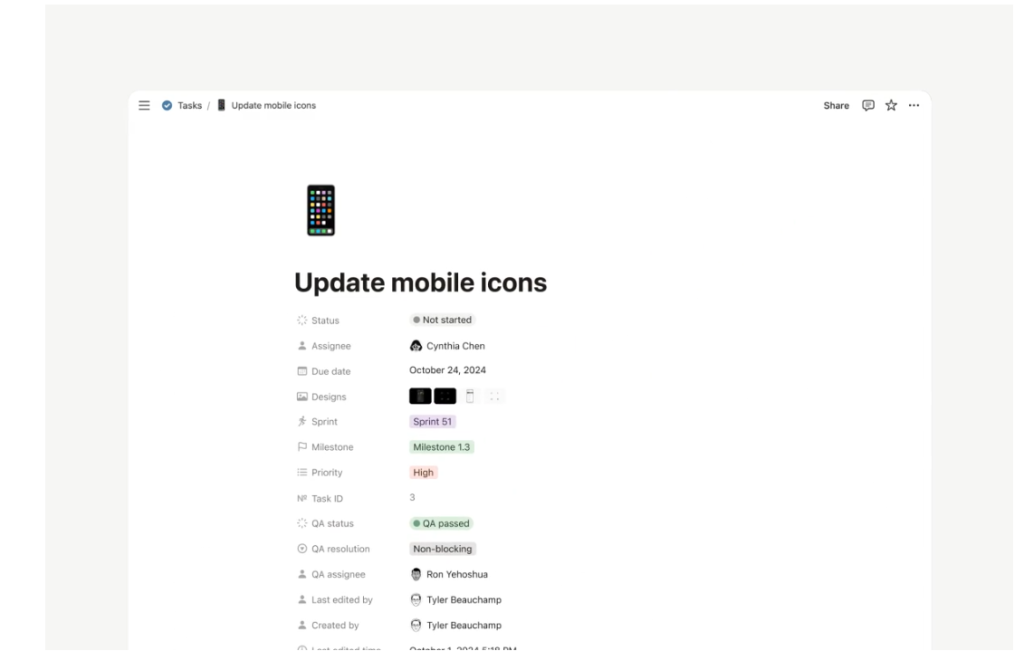
Notion now allows you to customize the layout of your pages, making it easier to organize tasks, goals, and documents in a visually appealing manner.
Real-World Usage:
Create a personalized dashboard for your projects, with customized sections for tasks, notes, and resources, enhancing both aesthetics and functionality.
Pros:
Enhanced Organization: Tailor page layouts to fit your specific needs.
Improved Aesthetics: Create visually appealing pages that are also functional.
Flexible Design Options: Easily adjust layouts to accommodate different types of content.
Cons:
Time-Consuming: Customizing layouts can be time-intensive, especially for complex pages.
Overwhelming for New Users: Beginners might find the customization options overwhelming initially.
5. Custom Emojis: Personalize Your Experience
#image_title
You can now upload and use your own emojis in Notion, adding a personal touch to your pages and databases.
Real-World Usage:
Use custom emojis to categorize tasks, highlight important notes, or simply add a bit of fun to your project boards, making them more engaging and easier to navigate.
Pros:
Personalization: Add a unique touch to your Notion workspace.
Enhanced Visual Cues: Use emojis to quickly identify and differentiate content.
Creative Expression: Make your pages more lively and enjoyable to use.
Cons:
Storage Limitations: Uploading too many custom emojis may clutter your workspace.
Compatibility Issues: Some emojis might not display correctly across different devices or platforms.
6. Personalize URLs: Simplify Sharing
#image_title
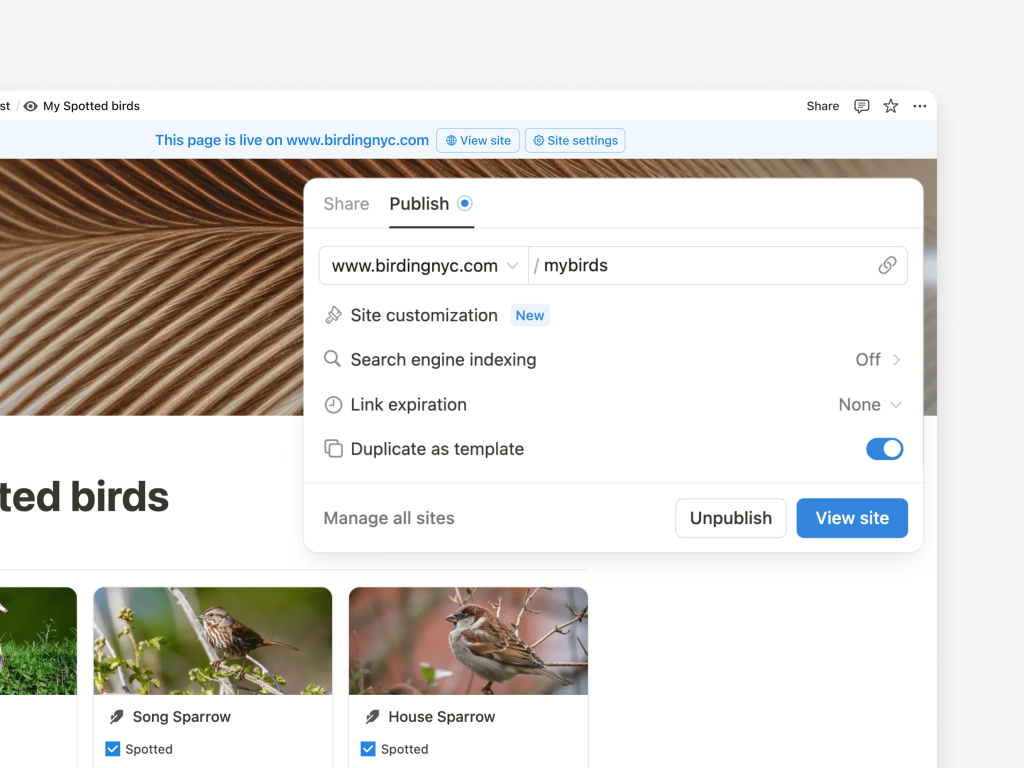
Notion now allows you to create personalized URLs for your pages, making them easier to share and remember.
Real-World Usage:
Instead of sharing a long, complex URL, you can create a simple and memorable link like yoursite.com/myproject, making it easier for team members and clients to access your pages.
Pros:
Easy Sharing: Simplifies the process of sharing Notion pages.
Professional Appearance: Customized URLs look more professional and are easier to recall.
Improved Branding: Enhance your personal or business brand with tailored URLs.
Cons:
Limited Availability: Personalized URLs may have restrictions based on availability.
Potential Confusion: If not managed properly, similar URLs can cause confusion.
7. Marketplace: Share and Sell Your Templates
#image_title
Notion’s new Marketplace allows users to list and sell their custom templates, complete with native payments, analytics, and reviews.
Real-World Usage:
If you’ve created an efficient project management template, you can sell it on the Marketplace, reaching millions of Notion users and generating revenue from your designs.
Pros:
Monetization Opportunity: Earn money by selling your Notion templates.
Exposure: Gain visibility by showcasing your templates to a large audience.
Supportive Infrastructure: Native payments and analytics make managing sales easier.
Cons:
Competition: High competition may make it challenging to stand out.
Initial Setup: Listing templates on the Marketplace requires effort and time.
8. Automations with Formulas: Boost Productivity
#image_title
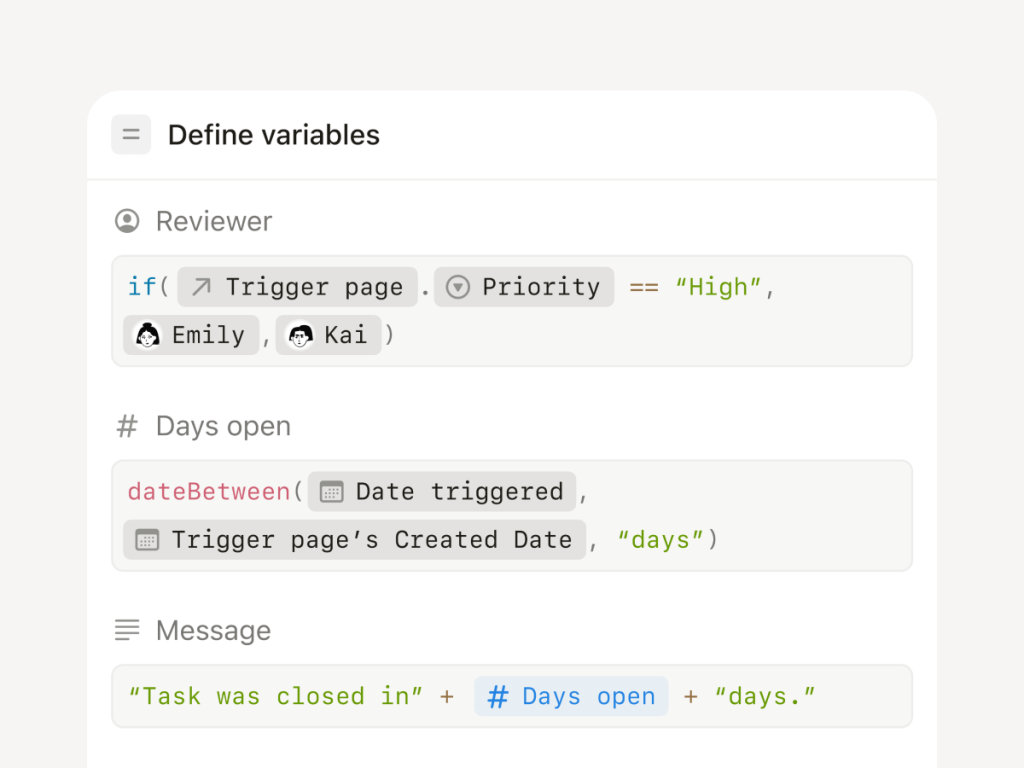
Automations now support formulas, allowing for more complex and background tasks when actions are triggered.
Real-World Usage:
Automatically calculate the time taken to complete tasks or generate dynamic content based on specific triggers, enhancing your data management and workflow efficiency.
Time-Saving: Reduce manual calculations and data entry.
Enhanced Customization: Tailor automations to fit specific needs with formulas.
Cons:
Complexity: Using formulas requires a good understanding of Notion’s formula syntax.
Potential Errors: Incorrect formulas can lead to errors and inaccurate data.
9. New Improvements: Faster and Aligned
Notion continues to prioritize performance with a 15% faster database load time and better alignment of page elements.
Real-World Usage:
Experience quicker access to your databases and enjoy a more visually cohesive workspace, enhancing both productivity and user experience.
Pros:
Improved Speed: Faster load times make working with large databases more efficient.
Better Design: Aligned page elements create a cleaner and more organized look.
Enhanced User Experience: Overall smoother and more pleasant interaction with Notion.
Cons:
Incremental Changes: Some improvements might be too subtle to notice immediately.
Potential Bugs: Performance updates can sometimes introduce new bugs or issues.
10. Offline Mode: Access Your Data Anywhere COMING SOON
#image_title
In our comprehensive notion new features review, one of the most anticipated updates is the introduction of Offline Mode that they’ve said “they’re working on”. This feature will finally address a longstanding request from Notion users: the ability to access and edit their data without an internet connection, both on desktop and mobile devices. This will be HUGE news, as it enhances Notion’s usability and flexibility, making it a game-changer for users who need reliable access to their workspace anytime, anywhere.
Real-World Usage:
Imagine you’re traveling on a long flight or working in an area with unreliable internet access. With Offline Mode, you can continue to access your notes, projects, and databases without interruption. Whether you’re updating a project plan, jotting down ideas, or reviewing meeting notes, Offline Mode ensures that your productivity doesn’t come to a halt due to connectivity issues.
Pros:
Uninterrupted Access: Continue working on your projects even when you don’t have internet access.
Enhanced Flexibility: Perfect for travelers, remote workers, or anyone who frequently finds themselves in areas with limited connectivity.
Seamless Syncing: Once you’re back online, your offline changes automatically sync with your Notion workspace, ensuring that all your updates are saved and accessible across all devices.
Cons:
STILL NOT HERE YET 🙁
Initial Setup Requirements: To use Offline Mode effectively, users need to ensure that the necessary data is synced before going offline, which might require some initial configuration.
Limited Features: While Offline Mode allows access to your existing data, certain features that rely on real-time internet connectivity, such as live collaboration and certain integrations, may be limited or unavailable while offline.
Storage Constraints: Storing large amounts of data for offline use can consume significant storage space on your device, which might be a concern for users with limited device storage.
Conclusion: Embrace the New Notion Features
The latest notion new features announced at “Make with Notion” offer a range of tools designed to enhance productivity, streamline workflows, and personalize your workspace. From embedded forms and advanced automations to custom emojis and smart home integration, these updates provide valuable enhancements for both individual users and teams. While some features may require a learning curve or specific setups, the overall benefits of increased efficiency and improved user experience make these new features worth exploring. Whether you’re looking to optimize your project management, enhance your sleep quality, or simply make your Notion workspace more enjoyable, the new features offer something for everyone.
Watch the recording of Notion’s “Make with Notion” livestream.
Enhance Your Productivity Further
To continue optimizing your digital life, check out our Apple Intelligence article. Apple Intelligence is Apple’s innovative new AI assistant designed to enhance the functionality of your iPhone, iPad, and Mac. Discover how it can simplify daily tasks, boost your productivity, and seamlessly integrate with your Notion workspace for an even more efficient workflow.
As a health-conscious individual, I’m always on the lookout for tools that can provide deeper insights into my well-being. When Bryan Johnson, a respected figure in the health community, recommended Function Health, I was intrigued. This function health review covers my personal experience with the platform and offers an exclusive referral code for those eager to join.
What Is Function Health?
Function Health is a membership-based health platform that grants access to over 100 comprehensive lab tests. For an annual fee of $499, members receive:
Two extensive lab panels per year
Insights from top doctors and clinicians
Tools to track and monitor health over time
Access to additional specialized tests as needed
The platform aims to empower individuals by providing detailed health data, enabling proactive management and early detection of potential issues.
Meet Dr. Mark Hyman: The Visionary Behind Function Health
Dr. Mark Hyman is a renowned physician and a leading voice in the field of functional medicine. As the co-founder and Chief Medical Officer of Function Health, he is revolutionizing the way we approach wellness by using food as medicine to enhance longevity, energy, mental clarity, and overall happiness.
Dr. Hyman believes that everyone deserves vibrant health and happiness. His approach centers on the idea that real food is powerful medicine, and through his work, he encourages people to harness this power to support their health and longevity.
A Leader in Functional Medicine
Dr. Hyman is a practicing family physician with a mission to transform healthcare. He is the founder and director of The UltraWellness Center and has played a pivotal role at the Cleveland Clinic Center for Functional Medicine as its Founder and Senior Advisor. His work emphasizes the importance of treating the whole system, not just the symptoms, and he is a strong advocate for using functional medicine to address the root causes of chronic diseases.
My Function Health Review Experience
Signing Up and Getting Started
Currently, Function Health operates on a referral-only basis with a waiting list. Fortunately, I secured my spot through Bryan Johnson’s recommendation. The sign-up process was straightforward:
Scheduling Tests: I instantly scheduled my lab tests at a local partner lab—Function Health collaborates with over 2,000 labs across the U.S. Basically I went to a local Quest Diagnostic center and they took blood over the span of 2 visits on 2 consecutive days.
Lab Visit: The appointment took approximately 15 minutes, and the staff was professional and efficient. Quest isn’t always the best, but this time, there were no issues.
Awaiting Results: Within about a week and a half (bit longer than they said it would take), I received an email notification that my results were ready.
Navigating the Results
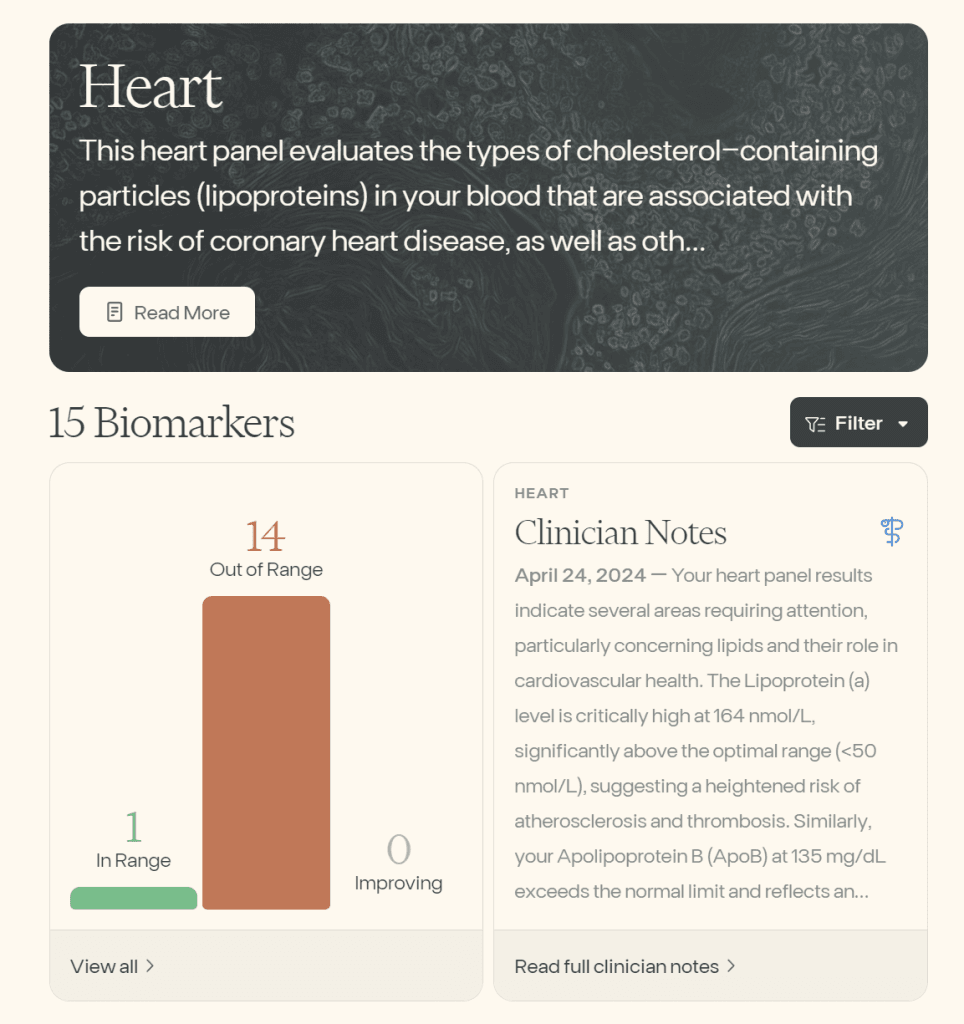
Upon logging into my dashboard, I was presented with an extensive array of health data, neatly organized into categories such as:
Heart Health
Thyroid Function
Metabolic Health
Nutrient Levels
Hormone Profiles
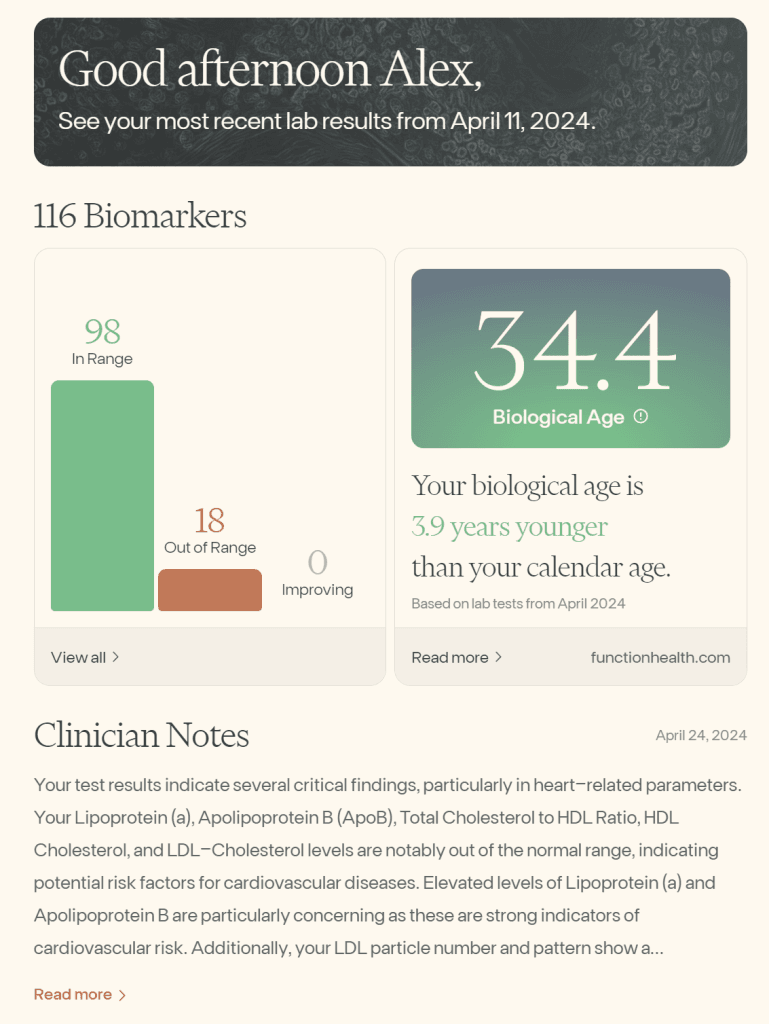
One standout feature was the Clinician’s Summary. This detailed report, written by medical professionals, provided:
Key Findings: Highlighting critical results and areas of concern.
Explanations: Understanding what each biomarker means.
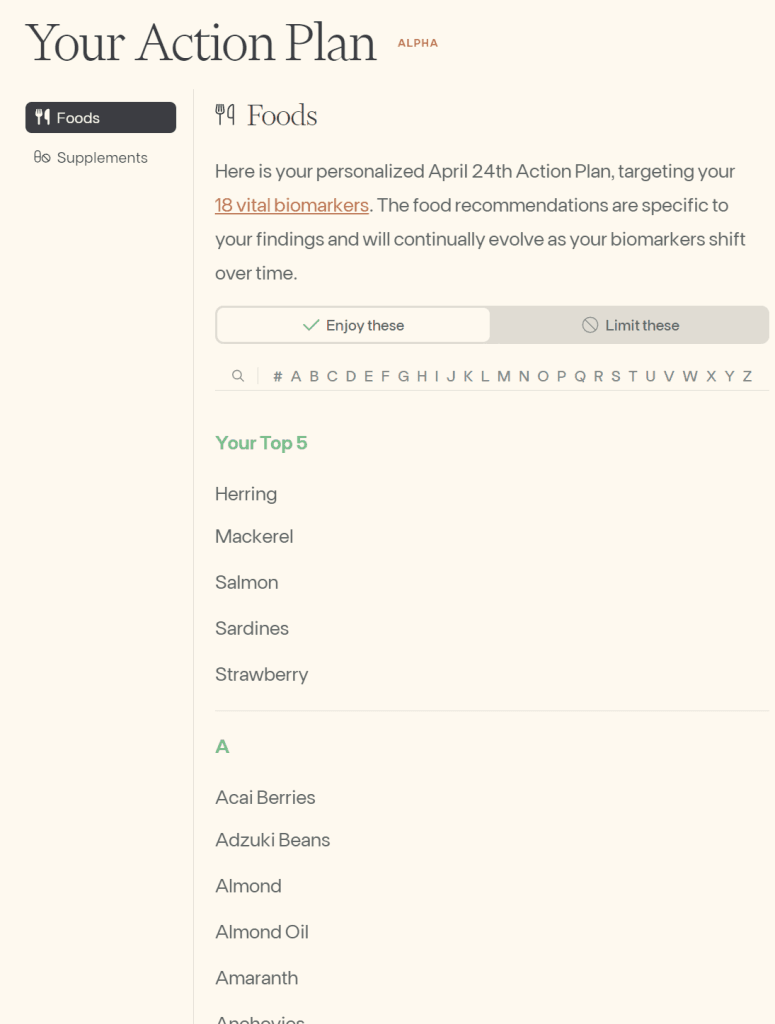
Actionable Advice: Steps to improve or maintain optimal health.
This section was written in plain English that I could understand and it felt as if I had a full visit with a doctor and they sent me copious notes from our visit afterward. But this was a different type of doctor, in that they didn’t shove me out the door after 6 minutes. These clinicians notes were extremely thorough and felt very customized even though it’s through an online platform.
Key Findings from My Function Health Review
As a 38-year-old male with a history of cholesterol issues, I was particularly interested in my heart health markers. Here’s what I discovered:
Elevated Cholesterol Levels
Lipoprotein (a): Significantly higher than the optimal range, indicating a potential cardiovascular risk.
Apolipoprotein B (ApoB): Elevated levels suggesting increased LDL particles. Modern science say that this number is a key metric in predicting heart disease later in life.
LDL-Cholesterol: Higher than normal, emphasizing the need for dietary and lifestyle changes.
Metabolic Health Concerns
Hemoglobin A1c (HbA1c): Slightly above the normal limit, indicating elevated average blood glucose levels over the past few months. This, I believe to be genetic as my father was also pre-diabetic despite either one of us ever eating that much sugar in our diets.
Insulin Levels: Within normal clinical range but higher than optimal, pointing toward potential early insulin resistance. Same as above though.
Positive Notes
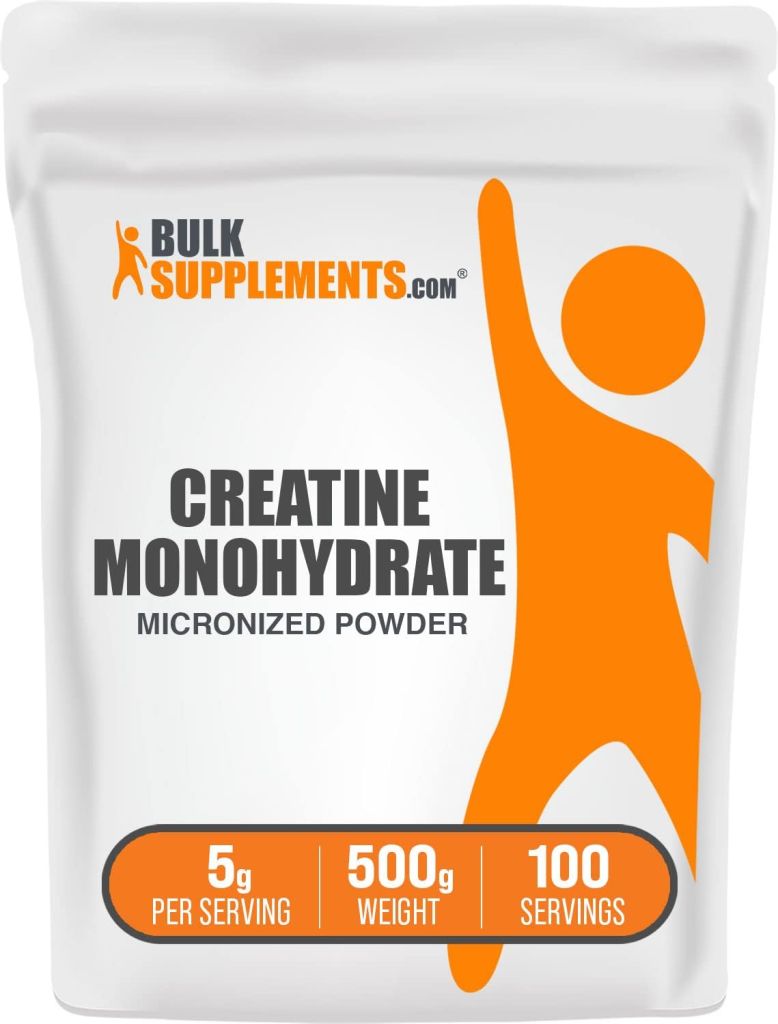
Kidney Function: Creatinine and eGFR levels were normal. This was exciting as I partake in creatine daily, and I’ve been told that something this can cause elevated Creatinine levels. Not the case for me!
Liver Function: Enzyme levels within healthy parameters.
Thyroid Function: All markers indicated a well-regulated thyroid.
How Function Health Works
Comprehensive Testing Without Insurance Hassles
Function Health is entirely insurance-free. The membership fee covers all lab tests, eliminating deductibles, co-pays, or surprise bills.
Easy Scheduling and Fast Results
Instant Scheduling: Book appointments at your convenience.
Quick Lab Visits: Efficient procedures that respect your time.
Secure Results: Access your data through a user-friendly dashboard.
Tracking Health Over Time
One of the platform’s strengths is the ability to monitor changes in your health metrics:
Trend Analysis: Visual graphs show how biomarkers change over time.
Goal Setting: Set health objectives and track progress.
Continuous Support: Option to purchase additional tests or consult clinicians.
Exclusive Referral Code: Skip the Waitlist
Function Health is currently in high demand, operating on a referral-only basis with a waiting list. I’m excited to offer my readers an exclusive opportunity:
First Three Readers: Use my referral code KRESSEL10 to bypass the waitlist and join immediately.
How to Use: Visit the Function Health website, enter the code during sign-up, and gain instant access.
Note: This code is limited to the first three users, so act fast if you’re interested.
Final Thoughts on Function Health
This Function Health review highlights how the platform has provided me with invaluable insights into my health. The detailed reports and actionable advice have empowered me to make informed decisions, particularly regarding my cholesterol and metabolic health.
Pros:
Comprehensive testing covering multiple health aspects.
If you’re proactive about your health and interested in deepening your understanding of your body’s inner workings, I highly recommend Function Health. The investment is worthwhile for the peace of mind and empowerment it provides.
Disclaimer: This review is based on my personal experience with Function Health. Always consult with a qualified healthcare provider before making any changes to your health regimen.
Connecting the Dots: Bryan Johnson and Andrew Huberman’s Recommendations
As I delved deeper into my health journey with Function Health, I noticed an interesting overlap with other wellness insights from Bryan Johnson. Just as Johnson recommended Function Health, he also advocates for Tru Niagen, a supplement designed to enhance cellular health by boosting NAD+ levels. My writing partner, Sophia, experienced remarkable benefits from Tru Niagen—not just for herself but also for her 72-year-old mother.
In her detailed review of Tru Niagen, Sophia shares how this supplement transformed their energy levels, cognitive function, and overall well-being. If you’re interested in exploring additional avenues to optimize your health at the cellular level, I highly recommend reading about her experience. It complements the insights from this function health review and offers another perspective on proactive wellness strategies inspired by Bryan Johnson.
Looking for the best thin iPhone case to maintain your phone’s sleek design? We’ve got you covered with our top picks for 2024.
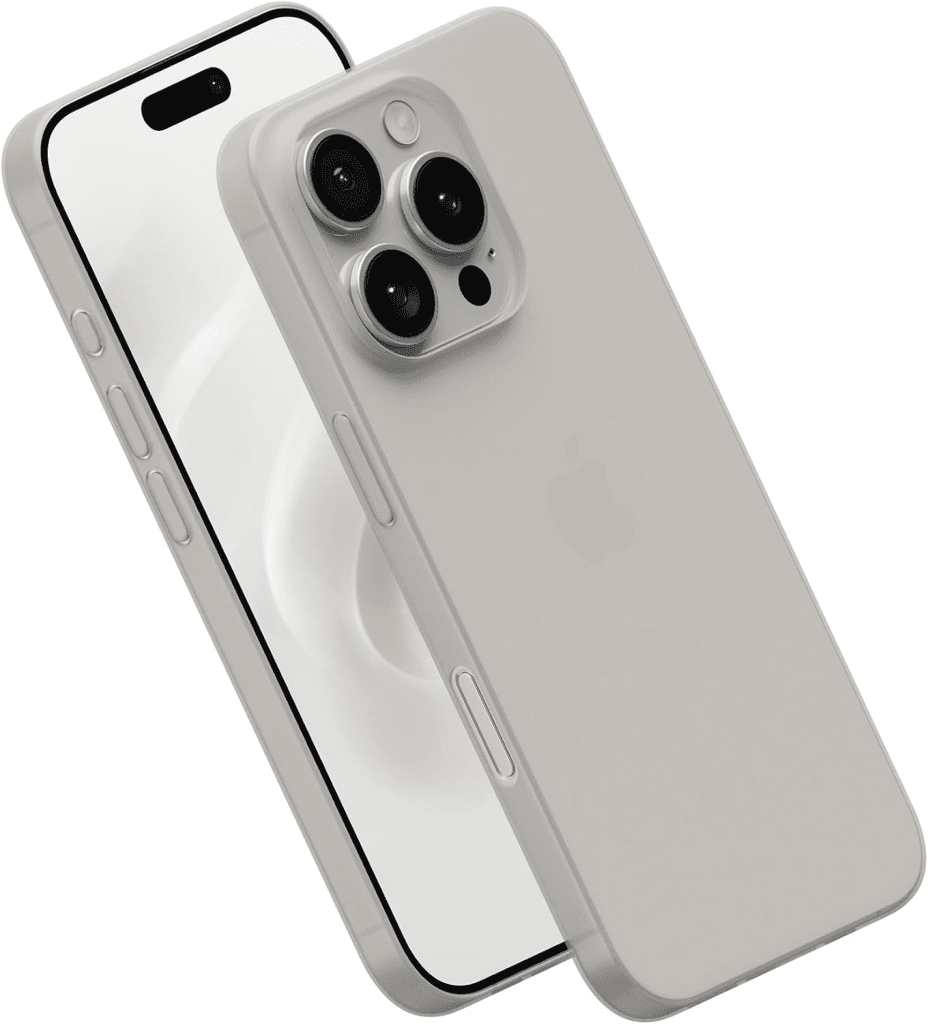
When it comes to protecting your iPhone without adding bulk, a thin iPhone case is the way to go. In our previous review of the PEEL MagSafe case for the iPhone 14 Pro Max, we highlighted its minimalist design and seamless MagSafe compatibility. Building on that, we’re now diving into a comprehensive comparison of the latest thin iPhone cases for 2024. In this roundup, we’ll explore PEEL’s updated offerings, pit them against LaterCase, and consider the budget-friendly TORRAS. Our goal is to help you choose the perfect slim case that maintains your iPhone’s sleek form factor while offering the protection you need.
Why Choose a Thin iPhone Case?
A thin iPhone case offers minimalism and functionality. It preserves the original feel of your iPhone while providing basic protection against scratches and minor drops. If you appreciate the sleek design of your iPhone and want to keep it as close to its original form as possible, athin iPhone case is ideal.
Ultra Thin iPhone Case Roundup (2024) – Peel vs Latercase
Which Thin iPhone Case Should You Choose?
Choosing the right thin iPhone case depends on your priorities:
For Ultimate Thinness: Choose Peelif you want the thinnest case possible and don’t mind minimal protection.
For Balanced Protection and Slimness: Opt for LaterCaseif you prefer a bit more protection without sacrificing the slim profile, plus enhanced MagSafe compatibility.
For Budget-Friendly Minimalism: Go with TORRASif you’re looking for a Peel-like case at half the price.
Final Thoughts on our Thin iPhone Case Roundup & our Winner
A thin iPhone case is perfect for those who love the sleek design of their iPhone but want some level of protection. Whether you prioritize ultra-thin design, added protection, or budget, there’s an option for you in this roundup.
If you ask me, after looking at all three of these cases, my favorite is LaterCase. Yes, you’ll have to pay a bit more and wait a bit longer for it, but it manages to offer considerable protection while maintaining the form factor of the iPhone. It also isn’t slippery so you’re not going to drop it, and it looks cool with the light kevlar finish.
What happens when you get two Andys in the same room? A whole lotta actionable fitness advice.
So, I’ve been running and pumping iron while listening to six entire episodes of the Andrew Huberman and Dr. Andy Galpin podcast. And not just once—no, I’ve probably replayed those episodes 3 or 4 times. It’s a lot. Like, way too much. These two geniuses dropped more knowledge than you’d find in a Costco-sized encyclopedia set. And that’s why I’m here. To distill everything they said into a set of clear, actionable steps that you can actually follow—without feeling like you need a Ph.D. in Exercise Science. Here we go.
Part 1: Building Strength and Muscle with Dr. Andy Galpin
First up, you can’t just train muscles. You’ve got to train them to do stuff. Strength is how much weight you can lift, hypertrophy is how big your biceps get. And no, doing one doesn’t mean you automatically get the other. Want to catch yourself from a fall or look like a superhero when you pick up that dropped pencil? You need both.
For Strength: Lift heavy—70% of your max or more. Stick to a 3-5 rep range, and keep rest intervals longer (like 3-5 minutes). Think bench presses, deadlifts, and squats.
For Hypertrophy: Lift lighter, but do more reps (8-15). Keep your rest shorter—about 2 minutes, and go just shy of complete failure on those reps.
Mix Protein and Carbs: Like peanut butter and jelly, protein and carbs work better together. Toss in exercise, and you’ve got a muscle-building power trio.
Non-negotiables: Stick to a plan, progressively increase weights, and don’t forget why you started—no one looks good with regrets (or a weak bench press).
My distilled granular notes from the full episode below:
Key Concepts:
Understand Your Goal:
Clearly define whether your focus is on building strength, hypertrophy (muscle size), or a combination of both.
Strength training targets force production and mechanics (muscle firing sequence).
Hypertrophy targets muscle size without directly considering strength.
Design Your Training Program:
For Strength:
Focus on intensity as the primary driver.
Use heavier weights (≥ 70% of your one-rep max).
Ideal rep cadence: 3 seconds down (eccentric), 1-second pause, 1 second up (311).
Work in the 3-5 sets, 3-5 reps range, resting 3-5 minutes between sets.
For Hypertrophy:
Focus on volume as the primary driver.
Moderate weights with a higher rep range (6-15 reps per set).
Use a 312 cadence (3 seconds down, 1-second pause, 2 seconds up).
Aim for 10-20 sets per muscle group per week.
Protein Intake:
Basic rule: Protein is anabolic. Ingesting protein alone promotes muscle growth, even without exercise.
Combine protein with carbohydrates (fuel) and exercise to maximize muscle growth.
Aim for about 1 gram of protein per pound of body weight daily.
Progressive Overload is Non-Negotiable:
Gradually increase the weight or resistance over time to stimulate muscle adaptation.
Adjust intensity, reps, or volume to keep making progress.
Ensure adherence and consistency for long-term success.
Exercise Execution & Breathing Protocol:
For all strength exercises: Maintain breath hold during the lowering/eccentric part of the movement for stability.
Exhale during the concentric (lifting) portion.
Focus on form and ensure you’re activating the right muscle groups.
Program Structure:
Power Training: Use moderate loads (30-70% of 1RM) with high intent to move quickly.
Strength Training: Focus on heavier loads (≥70% 1RM).
Utilize the 3-5 concept: 3-5 days per week, 3-5 exercises, 3-5 reps per set, 3-5 sets.
Allow 3-5 minutes of rest between sets for full recovery.
Summary of Action Steps:
Identify if your priority is strength or hypertrophy, and adjust your training approach accordingly.
Include both protein and carbohydrates in your diet, with protein intake targeting 1 gram per pound of body weight.
Structure your workouts around progressive overload with a balance between volume (for hypertrophy) and intensity (for strength).
Follow proper breathing techniques and focus on good form for safe and effective training.
Part 2: Optimal Protocols to Build Strength & Grow Muscles
Now, once you get the hang of lifting, it’s all about balancing the need to go hard with life’s little surprises—like work, family, and Netflix marathons.
Stick to the 3-5 Rule: For building strength, aim for 3-5 days a week, with 3-5 exercises, doing 3-5 reps per set. For hypertrophy, go for 10-25 working sets per muscle group per week.
Short on Time? A 30-minute full-body workout is better than skipping it altogether. Trust me, it’s about consistency.
Recovery: Every 6 weeks, take a de-load week. It’s like spring break for your muscles—just less tequila. Halve your volume, keep it chill, and get back to it the following week.
My distilled granular notes from the full episode below:
Key Concepts:
Program for Adaptation:
Strength Training: Emphasize intensity over volume.
Use lower reps with higher weight (e.g., 8 sets of 1-2 reps).
Focus on compound movements like squats, deadlifts, and bench presses.
Allow longer rest periods (3-5 minutes) between sets.
Hypertrophy Training: Volume is key.
Aim for 10-25 working sets per muscle group per week.
Use a rep range of 6-15 per set, with 2 reps shy of failure.
Rest 1-2 minutes between sets for hypertrophy-focused workouts.
Balancing Volume and Intensity:
Hypertrophy Focus: Spend most of your time in the 8-15 rep range.
Strength Focus: Opt for lower reps (3-5) with higher weight.
Combine with iso training (e.g., static holds) to build muscle endurance and strength.
Use a 3-5 Framework for consistency:
3-5 days per week.
3-5 exercises per workout.
3-5 sets of 3-5 reps for strength or higher for hypertrophy.
Flexible Training for Real Life:
Chaos Management: Life gets in the way, so plan for it.
Outline what you want to achieve, then adjust as life demands.
If time is short, focus on full-body movements to maximize efficiency.
A 30-minute full-body workout can still be effective if you’re consistent.
Adjusting for Fatigue & Recovery:
Aim for a de-load week after 6 weeks of intense training to avoid burnout.
Reduce volume or intensity during the de-load week to allow muscles to recover fully.
Listen to your body: if you’re constantly sore or struggling with adherence, reassess your volume and intensity.
Tips for Exercise Execution:
Movement Quality Matters: Focus on proper technique over increasing weight too quickly.
A poor execution of a good exercise won’t yield the desired results.
Prioritize complex movements (e.g., squats, deadlifts) early in the session when energy is highest.
Summary of Action Steps:
For Strength: Focus on high weight and lower reps (3-5 range) with longer rest periods.
For Hypertrophy: Aim for a higher volume, working up to 10-25 sets per muscle group per week.
Adapt as Needed: Plan for life’s disruptions by designing shorter, efficient sessions when necessary.
Include a De-load Week: After 6 weeks of training, reduce volume or intensity for a week to allow full recovery.
Master Your Form: Emphasize technique, especially on complex movements, to prevent injury and ensure gains.
Part 3: How To Build Physical Endurance & Lose Fat
Now, don’t panic, but if you want to lose fat, you’ve got to burn more calories than you eat. Crazy, I know. But beyond that, here’s how to get your body to use fat like a snack dispenser.
Metabolic Flexibility: Teach your body to use carbs and fats like a buffet. You’ll be able to switch from burning carbs during intense sprints to using fat during steady-state cardio, like a pro.
Do Whatever Raises Your Heart Rate: Lifting, running, intervals—it’s all good. Just keep moving.
Combine Hypertrophy and Endurance: Aim for 6-30 reps to empty those glycogen stores, then do intervals where you max out your heart rate for 30-60 seconds and rest.
Short on Time? Sprinkle in “exercise snacks”—20-second bursts of anything intense every few hours. It’s like snacking, but less delicious.
My distilled granular notes from the full episode below:
Key Concepts:
The Basics of Fat Loss:
Consistency Over Method: Any exercise that raises your heart rate—lifting weights, intervals, steady-state cardio—can support fat loss.
Caloric Deficit is Key: Focus on maintaining a hypocaloric state (calories burned > calories consumed). The type of diet (low-carb, low-fat) matters less than the overall reduction in calories.
Fueling Workouts: Fasted training doesn’t inherently lead to better fat loss. Prioritize being properly fueled for performance.
Training for Fat Loss:
Combine Hypertrophy and Muscular Endurance:
Use a rep range of 6-30 reps per set to deplete muscle glycogen.
Incorporate intervals where you reach max heart rate, followed by 30-60 seconds of rest, then repeat.
Exercise Snacks: Implement short, intense bursts of exercise throughout the day (e.g., 20 seconds of sprints, burpees) for benefits like improved glycemic control and energy.
Focus on high-intensity intervals a few times per week, balanced with longer, steady-state cardio sessions.
Metabolic Flexibility:
Balance Carbs and Fats: Your body uses both carbohydrate and fat stores during exercise, depending on intensity.
High-intensity exercises burn more carbohydrates, while low-intensity activities rely more on fat as fuel.
Aim for metabolic flexibility—train your body to efficiently switch between using carbs and fats for different activities.
Endurance Training Protocols:
Anaerobic Capacity: Perform 5-6 minutes of all-out max heart rate intervals per week, broken into 20-90 second bursts with full recovery between efforts.
Aerobic Capacity: Include a 5-15 minute max-effort bout once per week (e.g., a fast run or bike ride).
Weekly Structure: Alternate between anaerobic intervals and longer-duration aerobic efforts to target different energy systems.
Practical Tips for Endurance:
Start each session with proper breathing—focus on nasal breathing for efficiency.
Practice endurance across all spectrums—don’t just stick to long steady-state sessions or short bursts.
Monitor your fatigue levels and adapt training intensity as needed.
Summary of Action Steps:
For Fat Loss: Focus on a consistent caloric deficit and include a mix of resistance training, intervals, and steady-state cardio.
Train Across Energy Systems: Incorporate both anaerobic intervals (20-90 seconds) and longer aerobic sessions (5-15 minutes).
Implement Short Intense Bouts: Use “exercise snacks” throughout the day to boost energy and metabolism.
Fuel Smartly: Train in a way that supports metabolic flexibility, balancing carbs and fats as energy sources.
Prioritize Breathing & Mechanics: Nasal breathing can improve performance and help you sustain effort longer.
Part 4: Optimize Your Training Program For Fitness & Longevity
Training without a plan is like throwing darts blindfolded. Sure, you might hit the board occasionally, but it’s going to be a mess. So, have a plan.
Track Progress: Write down what you did, and aim to do a little more each week. It’s not rocket science, but it’s close.
Set SMART Goals: Make them Specific, Measurable, Attainable, Realistic, and Time-sensitive. No vague “I want to get stronger” here—think, “I want to lift my body weight by the end of the year.”
Balance Life’s Chaos: Divide your time between work, relationships, fitness, and recovery. If recovery is a low priority, you’re not going to make it.
Exercise Order: Do the hardest stuff first, when you’re fresh. If you’ve got squats and bicep curls, don’t leave squats until you’re exhausted.
My distilled granular notes from the full episode below:
Key Concepts:
Start with a Plan:
Even without specific goals like a marathon or competition, having a structured training plan leads to better results.
Define your destination (e.g., building strength, improving endurance) and create a roadmap to get there.
Use SMART goals: Specific, Measurable, Attainable, Realistic, and Time-sensitive. For example, aim for a 10% improvement in strength over 3 months.
Balance Life’s Constraints:
Energy Allocation: Divide your focus between four areas—business, relationships, fitness, and recovery.
Assign points to each area to reflect where your energy is going. For example, 4 points to business, 3 to fitness, 2 to relationships, and 1 to recovery.
Make sure recovery is at least half of your fitness allocation to support progress and prevent burnout.
Set Realistic Training Frequency:
Choose how many days per week and how long you can realistically train based on your schedule.
Tailor your training volume to fit into the time you have, ensuring consistency over occasional long sessions.
Exercise Selection and Order:
Prioritize Compound Movements: Focus on exercises that use multiple muscle groups and movement patterns.
Do What Matters Most First: Start your session with the most challenging or important exercise.
Example: If improving leg strength is a priority, start with squats at the beginning of your workout when energy is highest.
Approach to Progressive Overload:
Increase load or intensity over a 6-week cycle, then take a de-load week to allow the body to recover.
During the de-load, reduce volume or intensity by about 50% to refresh your body for the next training cycle.
Monitor progress through a loose tracking system like a notebook to see improvements over time.
Adapt as Needed (Chaos Management):
Life is unpredictable, so plan for it. Identify possible disruptions to your routine and adapt your plan to fit.
Example: If you know certain days are busy, plan a shorter, easier workout and save tougher sessions for lighter days.
Summary of Action Steps:
Plan with Purpose: Define your fitness goals and use SMART criteria to make them specific and achievable.
Distribute Energy Wisely: Allocate time and energy between business, relationships, fitness, and recovery to ensure a balanced lifestyle.
Set Realistic Workout Schedules: Align your training volume with your weekly availability to maintain consistency.
Focus on Key Exercises: Prioritize compound movements and do the most important exercises first when energy is high.
Progress Gradually: Use 6-week cycles of increasing intensity, followed by a de-load week for optimal recovery.
Plan for Real Life: Adapt your training to accommodate life’s unpredictability and stay on track with your fitness journey.
Part 5: Maximize Recovery To Achieve Fitness & Performance Goals
Listen, you’re not going to get anywhere if you’re perpetually sore, sleep-deprived, and hobbling around like you just fought a bear. Recovery is where the magic happens.
Monitor Your HRV: If it’s trending down for more than a week, take it easy for a bit. It’s like reading your body’s secret language, but cooler.
Use Light Movement for Soreness: Sore muscles love a gentle walk or a light yoga session. Plus, it gives you an excuse to take a break.
Manage Your Training Levels: Aim for that sweet spot called “functional overreaching”—pushing yourself just past your limit before backing off.
Cold Showers Aren’t Always the Answer: Use ice baths only when absolutely necessary (like when you’re so sore that stairs feel like Everest). Otherwise, let your body do its thing.
My distilled granular notes from the full episode below:
Key Concepts:
Recovery Is Essential:
Recovery Drives Progress: Adaptation occurs during recovery, not during the workout itself. To see results, your recovery must outpace the stress of training.
Focus on returning to baseline quickly after intense workouts to allow the body to adapt and progress.
Monitor changes over time rather than day-to-day variations to understand recovery trends and avoid overreactions.
Understanding Muscle Soreness:
Delayed Onset Muscle Soreness (DOMS): Typically sets in 24-48 hours after exercise due to immune response and neural signaling, not necessarily muscle damage.
Use light movement to alleviate soreness—walking or low-intensity activities can help.
Soreness after aerobic exercises is usually less because they involve less mechanical tension on muscles.
Levels of Training & Recovery:
Acute Overload: Short-term fatigue that recovers within minutes to days.
Functional Overreaching: Pushing just beyond your current limits to improve performance; requires a de-load week to recover.
Nonfunctional Overreaching: Training too hard for too long without proper recovery, leading to stagnation; takes weeks to recover.
Overtraining: Extreme fatigue with a decline in performance, taking months to fully recover.
Effective Recovery Strategies:
Downregulation Breathing: Use breathing techniques like box breathing (5-second inhale, 5-second hold, 5-second exhale, 5-second hold) for 3-10 minutes post-workout.
Use Compression and Massage: Compression garments and massage tools can help reduce soreness and improve blood flow.
Strategic Cold Exposure: Use cold plunges only when soreness is extreme and prevents movement; it can blunt muscle growth if used immediately after training.
Active Recovery: Incorporate low-intensity activities like walking, swimming, or yoga on rest days to keep the blood flowing.
Tracking Recovery Metrics:
Heart Rate Variability (HRV): A useful tool for gauging recovery; higher HRV indicates better recovery.
Track your HRV consistently under the same conditions and focus on trends rather than daily fluctuations.
Adjust your training volume or intensity if HRV trends downward for 7 consecutive days.
Supplements for Recovery:
Foundational Supplements: Omega-3s (2-5g/day), magnesium, vitamin D, and tart cherry juice can aid in reducing inflammation and muscle soreness.
Avoid taking anti-inflammatory supplements immediately after training; allow your body to go through its natural inflammatory response to stimulate adaptation.
Consider supplements like ashwagandha or rhodiola for managing cortisol and reducing perceived exertion.
Summary of Action Steps:
Prioritize Recovery: Remember, stress plus recovery equals adaptation. A strong recovery plan is critical for seeing long-term results.
Monitor Soreness & Recovery Levels: Use light activity to alleviate DOMS and recognize the signs of overreaching before they turn into overtraining.
Use Effective Recovery Tools: Include downregulation breathing, massage, and occasional cold exposure as part of your recovery routine.
Track HRV for Insight: Use HRV tracking to assess how well your body is recovering and adjust your training plan accordingly.
Choose Supplements Wisely: Focus on foundational support and avoid blunting the natural recovery process with unnecessary anti-inflammatory supplements.
Part 6: Optimal Nutrition & Supplementation For Fitness
Finally, let’s talk about nutrition. Because lifting all that iron means nothing if you’re fueling your body with, well, garbage.
Sleep Like It’s Your Job: Optimize your sleep environment, keep those pets off the bed, and resist checking your phone’s sleep score at 2 a.m. Good sleep equals good recovery.
Hydrate or Die-drate: Aim for ½ ounce of water per pound of body weight daily. Use the “Galpin Equation” during exercise: every 15 minutes, consume (in ounces) your body weight (in pounds) divided by 30.
Focus on Protein: 1 gram of protein per pound of body weight, and match your carbs to your training needs. Pre-fuel before tough workouts—no one wants to bonk halfway through leg day.
Use Supplements Wisely: Creatine, Omega-3s, and magnesium are solid choices for most people. And, caffeine—because who doesn’t need a little boost before tackling burpees?
My distilled granular notes from the full episode below:
Key Concepts:
Hydration Fundamentals:
Daily Water Intake: Aim for about ½ ounce of water per pound of body weight daily as a baseline.
Pre-Exercise Hydration: Ensure you are well-hydrated before workouts to maintain performance—consume ½ ounce of water per pound of body weight before exercising.
During Exercise: Use the “Galpin Equation” for hydration during activity: every 15 minutes, consume (in ounces) your body weight (in pounds) divided by 30.
Post-Exercise Hydration: Replace 125% of the fluid lost during exercise (e.g., if you lose 1 pound of water, drink 20 ounces to replenish).
Electrolyte Balance: Include sodium, potassium, and magnesium with your fluids to maintain proper muscle and nerve function. Consider adding a pinch of salt to coconut water for a natural electrolyte mix.
Optimize Nutrient Intake:
Protein and Carbs for Performance: Focus on consuming 1 gram of protein per pound of body weight daily. Adjust carbohydrate intake based on activity level, aiming for about 1/2 gram per pound of body weight around high-intensity or endurance training.
Macronutrient Timing: Total daily intake matters more than timing, but ensure you are fueled before intense sessions to avoid energy crashes.
Carb Loading for Endurance: Increase carb intake 3-4 days before long-duration events for better performance.
Effective Supplementation:
Foundational Supplements:
Creatine Monohydrate: 5 grams daily for enhanced muscle growth, recovery, and cognitive function.
Omega-3 Fatty Acids: 2-5 grams per day (1:1 ratio of EPA to DHA) to reduce inflammation.
Magnesium & Vitamin D: Support muscle function and recovery.
Performance Boosters:
Caffeine: 1-3 mg per kg of body weight 30 minutes before exercise for enhanced endurance.
Beetroot Juice: Use as a non-caffeine option to boost performance, especially for evening workouts.
Strategic Use of Anti-Inflammatory Supplements:
Avoid taking supplements like curcumin or fish oil immediately after workouts, as they can blunt the natural inflammatory response needed for muscle growth.
Consider these supplements later in the day to manage overall inflammation and aid in recovery.
Guidelines for Hydration and Electrolytes:
Avoid Overhydration: Chugging large amounts of water can dilute your system and cause imbalances (e.g., hyponatremia). Drink slowly and steadily.
Assess Hydration Needs: Use the WUT method—Weight (monitor fluctuations), Urine (check color and volume), and Thirst—to gauge hydration status throughout the day.
Watch for Signs of Dehydration: Brain fog, GI distress, and increased heart rate can be indicators of poor hydration.
Behavioral Tools for Better Sleep:
Sleep Environment: Keep pets out of the bedroom, monitor temperature, and use blackout curtains to improve sleep quality.
Manage Anxiety Before Bed: If a task is keeping you awake, consider getting up to quickly handle it, but don’t make it a habit.
Supplements for Sleep: Use magnesium or tart cherry juice to aid in sleep, but don’t rely solely on supplements—address environmental factors first.
Summary of Action Steps:
Hydrate Wisely: Aim for ½ ounce of water per pound of body weight daily, and adjust intake around workouts using the Galpin Equation. Include electrolytes for optimal muscle and nerve function.
Fuel Your Workouts: Focus on hitting daily protein and carbohydrate goals rather than stressing over precise timing. Ensure you are properly fueled before high-intensity sessions.
Choose Key Supplements: Use creatine, omega-3s, and magnesium as your foundation, adding caffeine or beetroot juice for performance as needed.
Recover Smartly: Avoid taking anti-inflammatory supplements immediately after training; allow your body’s natural response to take place for better adaptation.
Improve Sleep Quality: Prioritize optimizing your sleep environment and managing pre-bedtime stress before turning to sleep supplements.
Wrapping It Up: Less Confusion, More Action
And there you have it—a roadmap to getting fit, losing fat, and building strength, all without needing to re-listen to 12 hours of science talk. Huberman and Galpin might have the PhDs, but now you’ve got the game plan. Go forth, lift heavy, run fast, recover smart, and don’t forget to hydrate. Your future, stronger self will thank you.
I tested Kourtney Kardashian’s Lemme Sleep gummies to see if they live up to the hype.
Getting a good night’s sleep has always been a challenge for me. Like many people, I’ve tried countless remedies—from herbal teas to meditation apps—in hopes of finding restful slumber. So when Kourtney Kardashian’s Lemme Sleep gummies started gaining buzz online, I wondered if they could be the solution. Nevertheless, I was skeptical.
Lemme Sleep is part of Kourtney Kardashian Barker’s wellness brand, Lemme. This brand offers vitamins and supplements designed to address common health concerns. They aim to provide tasty, clinically backed solutions for everyday wellness needs. For example, boosting energy with Lemme Matcha or enhancing beauty with Lemme Glow.
Their marketing is eye-catching. With vibrant packaging and a strong social media presence, Lemme positions itself as a chic option for health-conscious consumers. Although many are skeptical about celebrity-endorsed wellness products, others have indeed shared surprisingly positive experiences.
Community Buzz About Lemme Sleep Gummies
Before trying them myself, I went to Reddit and explored what others were saying about Lemme Sleep gummies. To begin with, many users reported that these gummies were more effective than other melatonin supplements they’ve tried. Nevertheless, some mentioned that while the gummies helped them fall asleep faster, they sometimes felt groggy the next morning due to the high melatonin content. Conversely, others found that taking a lower dose helped with this issue.
Discussions about the optimal melatonin dosage were common. Several users pointed out that smaller amounts of melatonin can be more effective and reduce next-day grogginess. Considering this, I decided to start with a lower dose to see how my body would react.
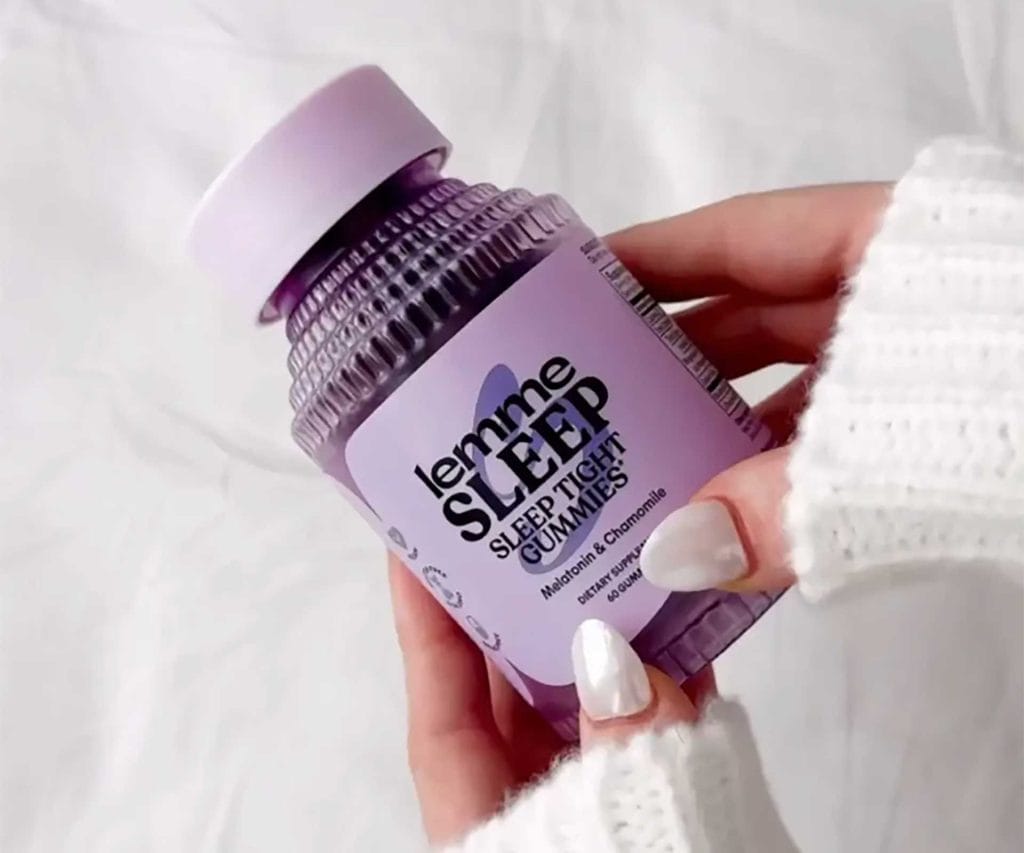
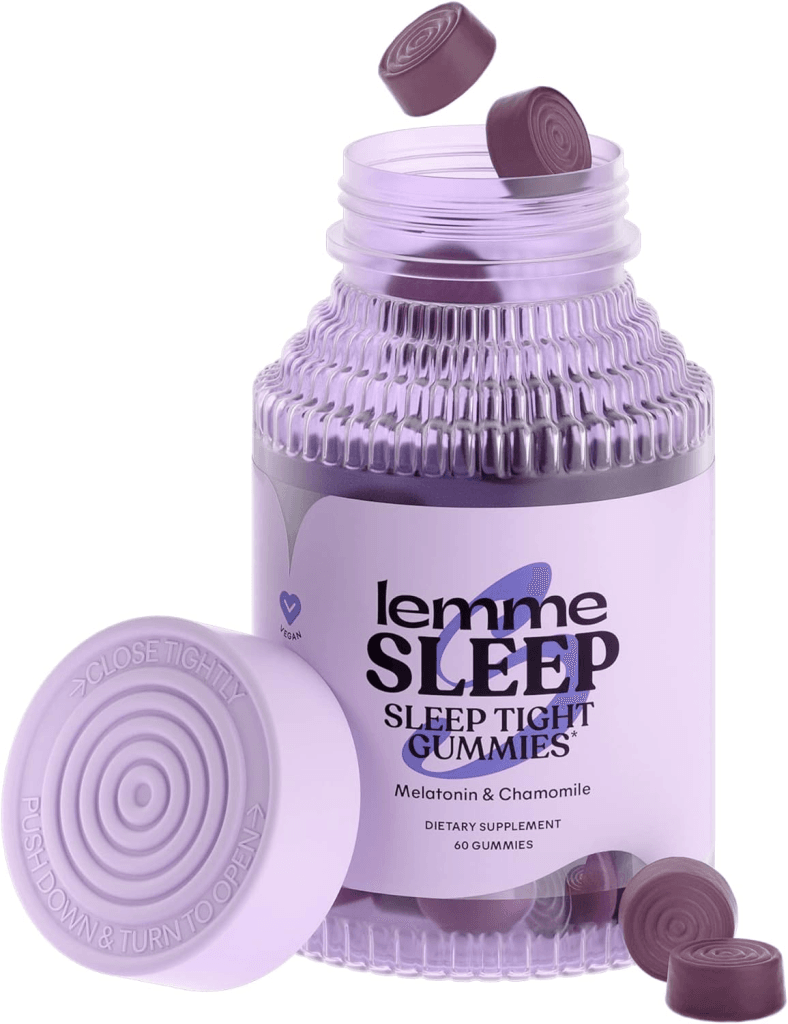
When my bottle of Lemme Sleep gummies arrived, the first thing I noticed was the cute packaging. I also found out that the sleek, purple container is made from 100% recycled plastic—a nice touch for the eco-conscious. I am after-all, an environmental-girly! Inside, the berry-flavored gummies have a soft, chewable texture that dissolves quickly. They obviously taste great, but that’s not what we care about.
Comparing Lemme Sleep Gummies to Other Brands
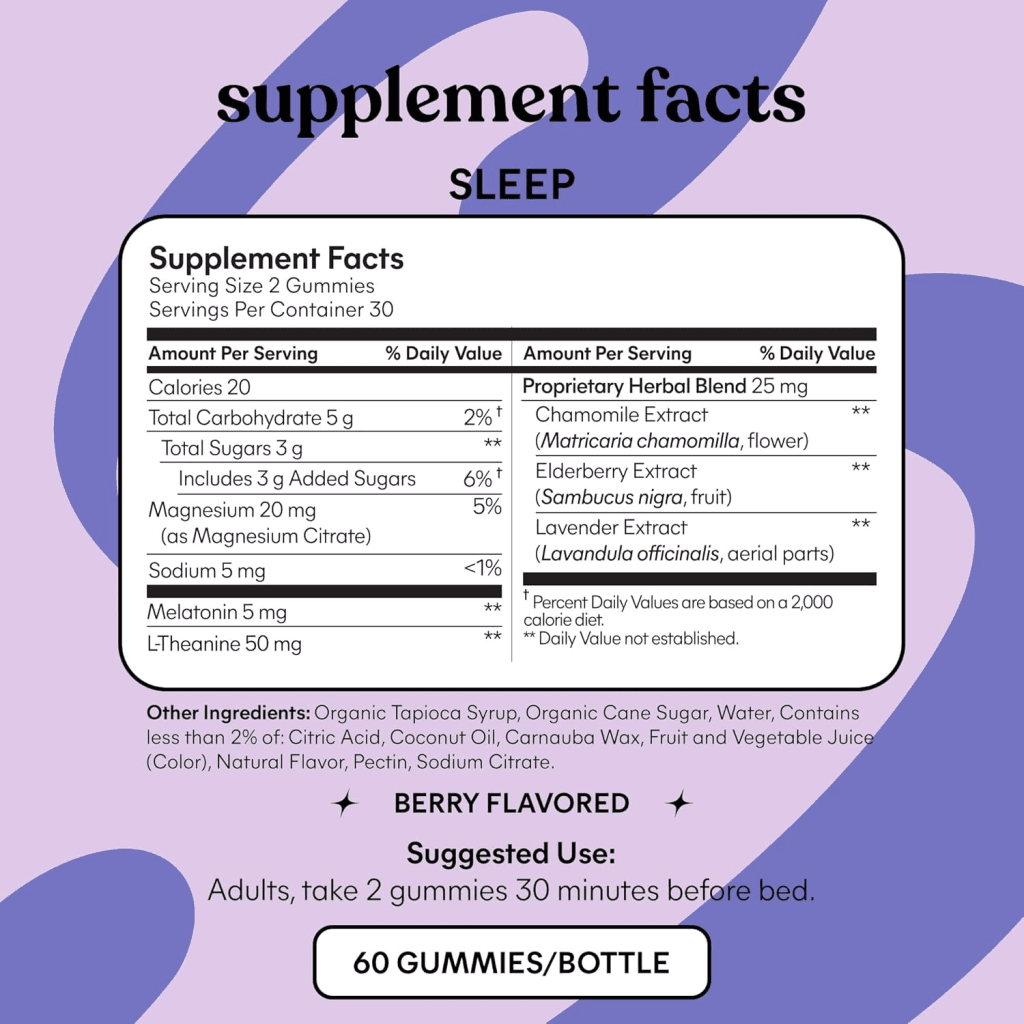
Before trying Lemme Sleep, I had been using another popular sleep gummy brand (brands will remain nameless to protect the innocent… and my ass to remain un-sued), and that brand contained 3 mg of melatonin and 100 mg of L-theanine per serving. Lemme Sleep gummies offer the following ingredients:
Melatonin (5 mg): Helps regulate sleep-wake cycles. Everyone knows about Melatonin. I don’t think this is the standout in this product, but more importantly, the mix and dosage of this and the other ingredients.
L-theanine (50 mg): An amino acid that promotes relaxation. They put this in energy drinks to tone down that buzzed amped feeling you get from the massive dose of caffeine. It’s also known to relax you when taken by itself.
Magnesium (20 mg): Supports nerve and muscle function. Mostly relaxes your body, while the other ingredients work on your brain.
Botanical Blend: Chamomile and lavender for calming effects, plus elderberry for immune support. Some find these to be a bit woo woo, but anyone who’s enjoyed a well-timed cup of chamomile knows it knocks you out some of the time.
Given the higher melatonin content, I was curious—but also cautious—about how it would affect me and whether it would actually help me sleep better.
My Experience with Lemme Sleep Gummies
Night One: A Promising Start
Being a wittle baby, I began with one gummy instead of the recommended two. About 30 minutes after taking it, I definitely felt more relaxed and started to drift off. That night, I slept for a solid seven hours, and my oura ring said I got ample deep and REM sleep. When I woke up, I felt refreshed without any grogginess.
This matched some user experiences I’d read online. Several people reported that starting with one gummy was enough. It helped them avoid feeling overly drowsy the next day – same here.
The Experiment Continues
Over the next few weeks, I experimented with the dosage:
One Gummy: Helped me fall asleep and reduced nighttime awakenings. I felt alert the next morning.
Two Gummies: Led to longer sleep durations but occasionally resulted in morning grogginess. This was likely due to the higher melatonin dose. I didn’t feel like hell, but I also didn’t feel great the morning after.
No Gummies: My sleep reverted to its usual pattern. I took longer to fall asleep and woke up more often. The gummies definitely did SOMETHING.
Breaking Down the Ingredients
While the melatonin content is higher than some other brands, individual responses can vary. It’s important to find the dosage that works best for you. Moreover, some users suggested that doses lower than 5 mg can reduce next-day drowsiness. For me, I feel that the melatonin in 2 gummies is what caused my grogginess, and coincidentally my bratty attitude toward my coworkers over Zoom that morning.
Community Insights on Other Lemme Products
Most of this taken from my Reddit research, others had varying experiences with other products in the Lemme line:
Lemme Glow: Praised for improving hair health. People reported reduced shedding and new growth in thinning areas.
Lemme Chill: Found helpful for mild anxiety and stress relief. It made users feel calmer without causing drowsiness. A lot of people also said it did nothing though.
Lemme Debloat: Reviews were a mixed bag. Some felt it helped with digestion and bloating. Others didn’t notice any significant effects.
Lemme Curb and Lemme Burn: Many users mentioned a decrease in snack cravings and slight boosts in energy but results varied. This was the other stand out after the Sleep gummies as far as people saying it worked.
Individual experiences differ. What works for one person may not work for another. Different strokes.
The Verdict on Lemme Sleep Gummies
Pros
Effective Sleep Aid: Helped me fall asleep faster and reduced nighttime awakenings, especially with one gummy. I suppose I’ll start taking two when one no longer does the trick?
Tasty and Easy to Take: The berry flavor is delicious. The gummies are easy to include in a nightly routine. I take them as a little treat when I’m done with my skincare.
Eco-Friendly Packaging: Made from recycled materials. Always a plus.
Overall Positive Community Feedback: Many people on reddit have reported benefits with Lemme Sleep and other products in the line.
Cons
Potential for Grogginess: Higher doses may lead to feeling drowsy the next morning. I weight 116 lbs for reference. Two was too much for me.
Price Point: At $30 for a month’s supply, it’s a little pricier than some alternatives. Therefore, some redditors questioned whether the cost is justified compared to less expensive options with similar ingredients.
Not a Long-Term Solution: Experts advise against daily long-term use of melatonin supplements. I agree that if you’re having continued problems with sleep, you should try and get to the root cause rather than slapping a band-aide on it. These gummies will get you through short bouts of sleeplessness but they shouldn’t be used long term.
You’re looking for a short-term aid to improve sleep onset. Maybe you’re having a stressful week and need a little help?
You prefer a gummy supplement over pills or liquids. Who doesn’t?
You might want to skip them if:
You’re sensitive to higher doses of melatonin, like me.
Budget is a significant concern. If you’re having monkey problems, maybe look for a cheaper alternative with similar ingredients.
You’re seeking a long-term solution for chronic sleep issues. If that’s the case, you should talk to your GP about seeing a sleep specialist.
Final Thoughts
Lemme Sleep gummies provided me with better nights of sleep. Adjusting the dosage to my needs definitely made a difference. Starting with one gummy might be a good approach if you’re cautious about melatonin intake.
Feedback on almight Reddit suggests that while some Lemme products are effective for certain individuals, results can vary widely. If you’re curious, it might be worth trying a bottle to see how it works for you. Especially if other remedies haven’t helped you.
As always, consult a healthcare provider before starting any new supplement. There may be underlying issues affecting your sleep quality that need professional attention.
For now, I’ll keep Lemme Sleep gummies on hand for nights when I need extra help drifting off. However, I’ll also focus on natural sleep strategies—like maintaining a consistent bedtime, reducing screen time before bed, and creating a calming sleep environment. Also although not recommended by professionals, allowing my puppy to sleep with me once in a while seems to help 😉
Disclaimer: This review is based on personal experience and is not intended as medical advice. Please consult your healthcare provider before starting any new supplement regimen.
Explore More Sleep Solutions
If you’re interested in enhancing your sleep beyond supplements, you might find our other article helpful: “Unlock Better Sleep: Actionable Tips from Andrew Huberman and Matthew Walker”. In that piece, we delve into science-backed strategies for better sleep, covering topics like establishing a consistent sleep schedule, optimizing your sleep environment, and managing light exposure. These actionable tips from renowned sleep experts can complement your use of Lemme Sleep gummies or provide alternative methods to improve your sleep naturally.